
Dierama trichorhizum
Dierama trichorhizum
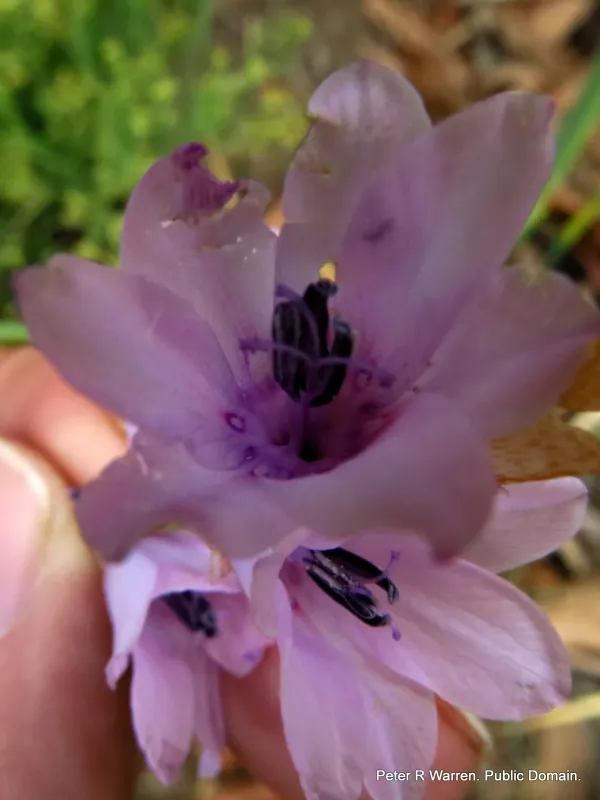
Description
Sowing dates
The propagation of Dierama trichorhizum is primarily achieved through seed sowing, which requires proper stratification to improve germination rates. Seeds should be sown in a well-draining, lightweight medium during early spring.
Light exposure is critical for the seeds, so they should be covered only very thinly or pressed firmly into the surface of the growing mix. Maintaining a consistent temperature between 18 and 20 degrees Celsius is optimal for success.
Once seedlings emerge, they grow slowly, necessitating patience and careful handling. Transplanting should only occur when the root system is sufficiently developed to survive the move without significant stress.
Hardening off the young plants is a vital step before they are moved to the final outdoor location. Gradually acclimatizing them to sunlight and wind ensures they survive the transition to the garden bed.
Choosing the right time for planting is essential, usually when the threat of frost has passed. Ensuring appropriate spacing between individual plants will prevent competition for nutrients and light as they mature.
Growing requirements
Dierama trichorhizum belongs to the Iridaceae family and originates from Southern Africa. This species thrives in sunny locations that provide adequate protection from strong winds, which can damage its delicate, pendulous flower spikes.
The ideal soil is fertile, rich in organic matter, and, most importantly, provides excellent drainage. Because the roots are prone to rot, heavy soils must be amended with grit or sand to ensure water passes through easily.
Soil pH should ideally be neutral to slightly acidic. During the active growth phase, regular but moderate watering is necessary, avoiding any waterlogged conditions that could lead to the death of the bulbous rootstock.
The botanical structure of the plant features narrow, grass-like leaves and stems that bend gracefully under the weight of the bells. This unique morphology makes it a centerpiece for rock gardens and borders.
In temperate climates, cold protection is required for the roots during winter. Applying mulch or using protective coverings helps sustain the plant through periods of dormancy, as it is not fully hardy in freezing conditions.
Main diseases and pests
Root rot is the most common threat to Dierama trichorhizum, usually caused by overwatering or poor drainage systems. Identifying this issue early is difficult, often leading to total loss of the specimen if not addressed.
Pests like spider mites and aphids are known to attack the plant, particularly in dry and hot conditions. These pests feed on the sap and can significantly reduce the vitality of the flower stalks.
Slugs and snails can cause significant damage to young shoots in the spring, requiring constant monitoring. Protective barriers or organic bait can be used to mitigate the risk of these garden pests.
Fungal diseases may develop in areas with low air circulation or excessive moisture levels. Ensuring the planting site has good ventilation and that plants are not overcrowded is the best preventative strategy.
General health maintenance involves removing dead or diseased foliage regularly. By keeping the garden clean and the plant healthy, the risk of pathogen outbreaks is substantially lowered throughout the growing season.