
Dierama dracomontanum
Dierama dracomontanum
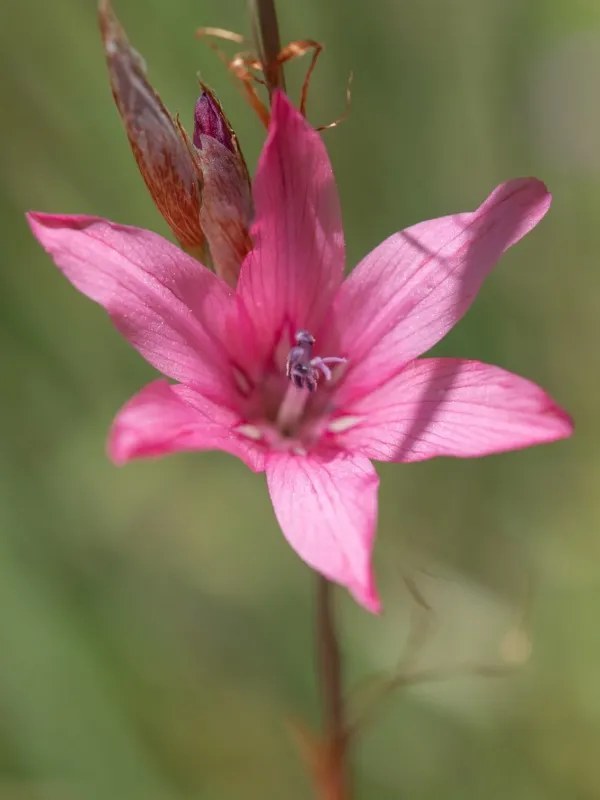
Description
Sowing dates
Sowing seeds of Dierama dracomontanum should be initiated in early spring using a well-draining, sterile potting medium. The seeds benefit from a period of cold stratification, which effectively increases germination rates and uniformity.
Containers must be kept in a bright, temperate environment, ensuring the soil remains moist but not waterlogged. The germination process can be slow, requiring patience and a stable temperature around 20 degrees Celsius.
Seedlings should be pricked out into individual containers as soon as they develop their second set of true leaves. This promotes stronger root growth, which is essential for the plant's long-term health and stability.
Hardening off the plants before transplanting them into the garden is a critical step for acclimation. Planting should only occur after the last spring frost date to avoid cold damage to the tender new growth.
Proper spacing between plants is recommended to ensure adequate airflow, which is crucial for preventing fungal issues as the plants begin to mature and increase in density.
Growing requirements
Dierama dracomontanum, a member of the Iridaceae family, originates from the Drakensberg mountain range in South Africa. This species is specifically adapted to high-altitude climates and cooler conditions.
The plant thrives in deep, fertile, and free-draining soil. Providing a gravel or sand layer at the bottom of the planting hole is a highly effective way to manage drainage and prevent root rot in heavier soils.
While the species is moderately drought-tolerant once established, consistent moisture is required during the active growing season. Regular, deep watering is preferred over frequent, light surface watering.
Full sun is essential for optimal flowering performance and structural integrity of the stems. Plants grown in shaded conditions tend to become floppy and produce significantly fewer blooms.
- Thrives in well-drained, slightly acidic to neutral soil.
- Requires consistent sunlight for at least 6 hours daily.
- Benefits from occasional balanced liquid fertilizer during growth.
- Protection from severe winter frost is necessary in colder regions.
Main diseases and pests
Root rot is the most common threat to this species, typically caused by poor drainage or overwatering. Once roots become compromised, it is often difficult for the plant to recover.
Spider mites can be problematic in warm, dry weather conditions, particularly for plants grown in containers or sheltered areas. Regular misting can help deter these pests from establishing colonies.
Aphids may occasionally target the developing flower spikes, sucking nutrients and potentially transmitting viral diseases. Early detection and manual removal are often sufficient for minor infestations.
Fungal leaf spot diseases may appear during periods of high humidity and poor ventilation. Removing affected foliage and improving airflow around the plants are essential management strategies.
Prevention involves maintaining good horticultural hygiene, including removing spent flower stalks and clearing debris from around the base of the plant to prevent the overwintering of pathogens.