
Dierama igneum
Dierama igneum
Description
Growing requirements
Dierama igneum is a graceful perennial plant belonging to the Iridaceae family. Native to South Africa, it is highly valued for its striking, drooping flowers that sway elegantly on slender stems in the breeze.
The plant thrives in well-drained, sandy-loam soils with a neutral to slightly acidic pH. It requires a sunny, sheltered position to prevent damage to its delicate flower spikes from strong winds.
As a warm-climate species, it is somewhat tender in colder regions and should be protected during winter. Consistent, moderate moisture is required during the active growth stage, provided that the drainage remains excellent.
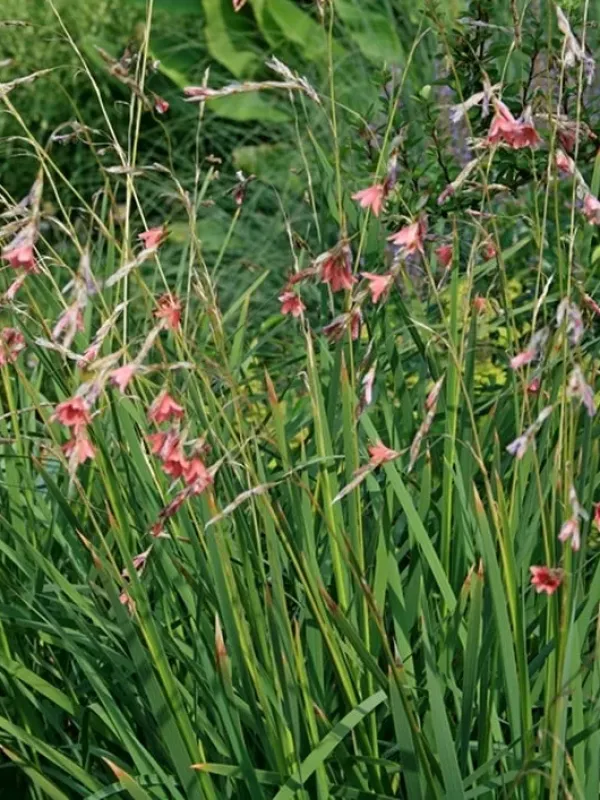
Botanically, this species is characterized by its narrow, grass-like leaves and corm-based root system. The inflorescences emerge in late spring or summer, displaying fiery, bell-shaped flowers that are distinctive to the species.
In landscaping, Dierama igneum is used as a focal point in borders, rock gardens, or near water features. Its unique architecture provides a sophisticated touch to naturalistic and contemporary garden designs.
Main diseases and pests
Common pests affecting Dierama igneum include aphids and spider mites, which can proliferate during dry, hot weather. These pests suck nutrients from the foliage, potentially weakening the entire plant structure.
Root rot is the most serious disease risk, typically triggered by waterlogged soil conditions or poor drainage. This condition can quickly compromise the corms, leading to plant decline or sudden death.
To prevent disease outbreaks, it is crucial to ensure that the site has optimal drainage and that the plant is not sitting in stagnant water. Proper spacing between plants also promotes airflow and reduces humidity around the crown.
Pest management involves regular inspection of leaves and the application of targeted insecticides if an infestation occurs. Maintaining good overall plant health through appropriate fertilization is also a deterrent against minor attacks.
By monitoring for early signs of yellowing or drooping foliage, gardeners can take proactive steps to treat issues early. Good gardening practices are the cornerstone of keeping this decorative plant thriving for years.