
Dierama floriferum
Dierama floriferum
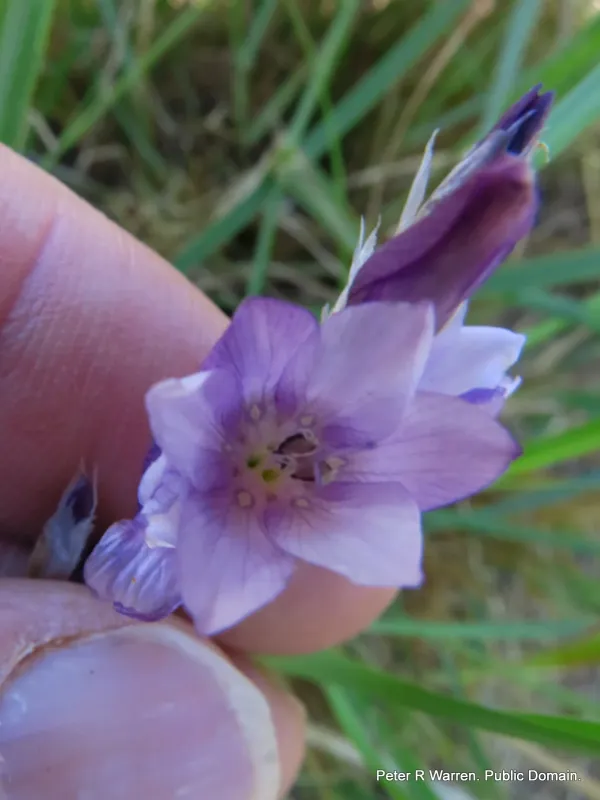
Description
Growing requirements
Dierama floriferum is a distinctive perennial cormous plant belonging to the Iridaceae family. Native to South Africa, it is highly valued for its gracefully arching stems that carry beautiful bell-shaped flowers, creating a unique visual impact in garden settings.
Botanically, the plant is characterized by slender, grass-like foliage emerging from a central corm. The flowers are typically nodding, appearing on long, wiry stems that swing in the wind, which is why the genus is commonly referred to as the angel's fishing rod.
The cultural requirements demand full sun exposure to ensure proper flowering. The soil must be exceptionally well-drained, as these plants thrive in rocky or gritty substrates where water does not accumulate around the corms.
Regarding climate, the plant prefers temperate conditions with mild winters. In areas with frost, they must be protected or cultivated in pots that are kept in a frost-free environment during the winter dormancy period.
Successful cultivation involves maintaining a steady moisture level during the spring and summer growth phases while ensuring the soil remains significantly drier during the dormant winter months to prevent physiological stress.
Main diseases and pests
Root rot is the most significant threat to Dierama floriferum, usually caused by stagnant water or poorly draining soils. Improving the drainage layer is the primary preventative measure against fungal pathogens.
Pests such as spider mites and thrips may infest the foliage, particularly in environments with low humidity. Integrated pest management, including regular inspection and occasional washing of leaves, helps keep populations in check.
Slugs and snails can consume young foliage during the early growing season. Physical barriers like crushed rock or eggshells around the base can be effective in deterring these garden visitors.
Viral or bacterial leaf spots may occasionally occur if plants are overcrowded or if airflow is restricted. Maintaining proper spacing between individuals is essential to promote good air circulation.
Careful handling of the corms during planting is vital, as any mechanical damage can serve as an entry point for soil-borne infections, leading to the rapid decline of the affected plant.