
Dierama reynoldsii
Dierama reynoldsii
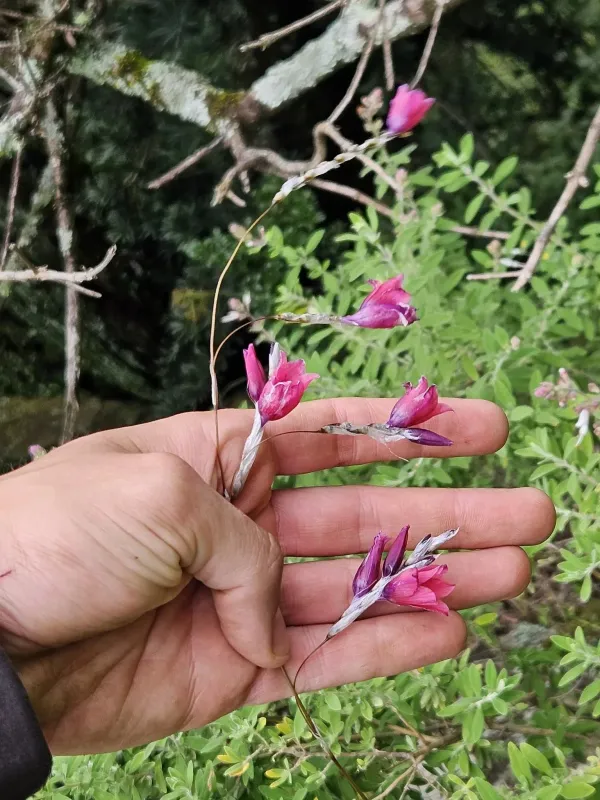
Description
Growing requirements
Dierama reynoldsii is a species of cormous perennial belonging to the Iridaceae family. Originally from South Africa, this plant is well-known for its elegant, arching flower spikes that bear bell-shaped blossoms.
The botanical structure consists of narrow, grass-like foliage that creates a dense clump. The flower stems are extremely flexible, allowing the bells to sway gracefully in the breeze, which is characteristic of the genus Dierama.
The species requires a climate with mild winters, as the corms are susceptible to damage from extreme frost. In cooler regions, heavy winter mulching or greenhouse protection is mandatory for survival.
The soil must be well-draining, sandy, or loamy, enriched with organic matter. Proper water management is essential; while the plant enjoys moisture during the growth cycle, it cannot tolerate waterlogging, which causes rapid rot.
Dierama reynoldsii is widely used in high-end gardening and landscape architecture. It is most effective when planted in groups or near water features where the arching stems can reflect in the surface of the water.
Main diseases and pests
The primary biological threat to the species is root rot caused by improper irrigation. Maintaining a balanced soil moisture level is critical to prevent pathogens from attacking the corms.
Pests such as spider mites can infest the foliage, particularly in dry and hot conditions. Early detection is necessary to prevent significant leaf yellowing and loss of vigor.
Thrips can also be problematic, targeting the delicate flower buds and causing deformed blooms. Targeted insecticide treatments are recommended if an infestation is observed in the early spring stages.
Slugs and snails often feed on the young, succulent shoots as they emerge from the ground. Implementing physical barriers or organic baits around the base of the plant is standard practice to prevent damage.
Maintaining clear surroundings by removing weeds helps reduce competition for nutrients and limits the habitat for potential pests, ensuring the plants remain robust throughout the season.