
Dierama pendulum
Dierama pendulum
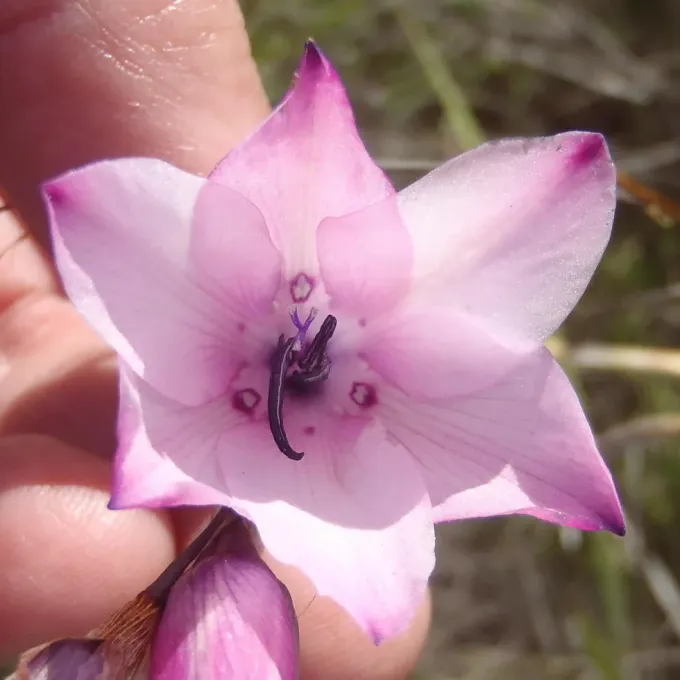
Description
Sowing dates
The sowing of Dierama pendulum seeds is best performed in early spring, typically during March or April, under protected glasshouse conditions. Pre-treating seeds with a brief period of cold stratification significantly enhances the germination rate and results in healthier seedling development.
A loose, well-draining substrate is essential for seed germination, utilizing a mixture of peat, sand, and high-quality leaf mold. This structural composition prevents the soil from becoming compacted and ensures adequate oxygen reaches the developing root system.
Seeds should be sown at a depth of approximately 0.5–1 cm and covered lightly with vermiculite or fine soil. Maintaining a constant temperature range of 18–22°C (65–72°F) and keeping the surface uniformly moist is vital until the first shoots emerge.
Pricking out the young seedlings into individual pots should be done with extreme caution after the first true leaves have developed. Because Dierama possesses delicate, sensitive roots, the transplantation process should minimize disturbance to the root ball.
Transplanting into the permanent garden site should only occur once all frost risks have passed. Selecting a location with sufficient sunlight and protection from heavy winds is critical for supporting the slender, arching flower spikes that characterize this species.
Growing requirements
Dierama pendulum, commonly known as Angel's fishing rod, belongs to the Iridaceae family. It is a cormous perennial native to the grasslands and mountain slopes of South Africa, where it thrives in well-lit, open environments with seasonal moisture.
This species requires fertile, humus-rich soil that is neutral to slightly acidic. A paramount requirement for its cultivation is superior drainage; the plant is extremely susceptible to corm rot if water is allowed to pool around the base of the plant for extended periods.
Full sun is necessary for vigorous growth and profuse flowering. While the plant can tolerate light shade in intensely hot climates, it generally prefers high light exposure to maintain its graceful, arching form and to prevent the flower stems from becoming leggy or weak.
Landscape use is predominantly ornamental. The plant is highly valued for its elegant, nodding flower panicles which sway in the breeze. It serves as an excellent feature plant near water gardens, at the edge of rockeries, or within mixed perennial borders.
Cultural care involves consistent, balanced irrigation during the growing phase, supplemented by the use of mulch to preserve soil moisture. In colder climates, winter protection is essential, as the corms require insulation against severe frosts to ensure perennial survival.
Main diseases and pests
Root and corm rot represent the primary threat to Dierama pendulum, typically resulting from poor drainage or excessive soil moisture. Management focuses on preventive measures, including the integration of gravel in the planting hole to facilitate rapid water runoff.
Pest issues often involve spider mites and thrips, particularly in dry environments or during periods of indoor propagation. These pests can weaken the plant by feeding on foliage, which necessitates monitoring and the use of targeted miticides or insecticidal soaps.
Preventive hygiene, such as removing dead foliage and clearing debris from around the plant base, reduces the risk of pest colonization and fungal development. Regular inspections allow for the early detection and management of any sign of pathogen interference.
In regions where the plant is left in the ground, protection from small mammals and rodents is necessary. Using physical barriers or protective netting during the dormant season helps to preserve the integrity of the underground corms from external damage.
Maintaining optimal soil fertility and avoiding overcrowding through proper spacing are effective strategies to prevent systemic diseases. By adhering to these horticultural standards, gardeners can ensure the long-term health and aesthetic value of their Dierama plantings.