
Dianella revoluta
Dianella revoluta R. Br.
Description
Growing requirements
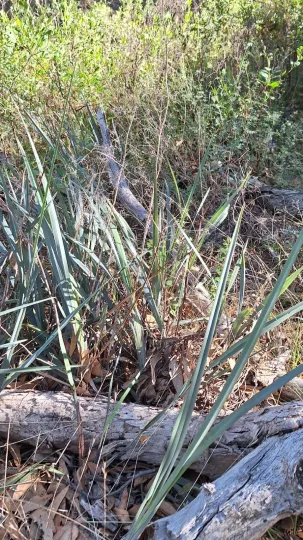
Dianella revoluta is a hardy perennial belonging to the Xanthorrhoeaceae family. Originating from Australia, this species is widely recognized for its tough, strappy foliage and its remarkable ability to thrive in harsh environments.
The plant features long, arching, linear leaves that form dense, clump-like structures. In the spring and summer, it produces delicate panicles of blue or violet flowers, followed by striking metallic-blue or purple berries that add seasonal interest to the landscape.
For optimal growth, this crop requires well-draining soil and a sunny to partially shaded location. It is highly drought-tolerant once established, making it a sustainable choice for water-wise gardening and erosion control in arid landscapes.
Agrotechnical practices are relatively simple: the plant requires occasional deep watering during extreme heat and removal of dead foliage at the end of the season. It is not tolerant of heavy frost, so in cooler climates, it must be protected or grown in containers.
The primary use of this species is in commercial and residential landscaping. It serves as an excellent groundcover, border plant, or container specimen, providing structure and color throughout the year with minimal maintenance requirements.
Main diseases and pests
Common health issues include fungal diseases, such as root rot, which typically occur when the soil remains saturated for extended periods. Improving soil drainage and air circulation around the base of the plant are essential preventative measures.
While generally pest-resistant, the plant can occasionally suffer from infestations of mealybugs or aphids, particularly in greenhouses or under stress. Integrated pest management using insecticidal soaps is effective in controlling these localized outbreaks.