
Clustered bellflower
Campanula glomerata L.
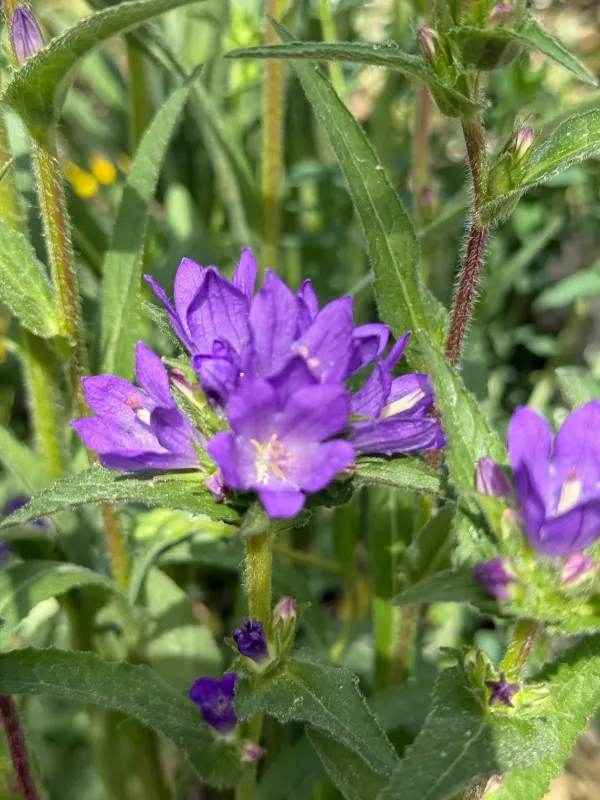
Description
Sowing dates
The seeds of Campanula glomerata can be sown directly outdoors in October for winter stratification or in early spring once the soil is workable.
For container-grown seedlings, start indoors in March, maintaining a temperature between 18 and 20 degrees Celsius for optimal germination.
Seedlings should be pricked out when they develop their first set of true leaves and hardened off before being transplanted into the garden.
When transplanting, maintain a spacing of 30–40 centimeters to ensure adequate air circulation and prevent overcrowding of the perennials.
Propagation by division is recommended every 3–4 years in spring or autumn to maintain plant vigor and prevent the center of the clump from dying out.
Growing requirements
Clustered bellflower belongs to the Campanulaceae family and prefers full sun to light shade, adapting well to various garden conditions.
The soil should be fertile, well-draining, and neutral or slightly alkaline, as the plant dislikes heavy waterlogged clay soils.
Regular watering is essential during dry spells, but it is important to prevent water from accumulating around the root crown to avoid rot.
Applying a balanced fertilizer in early spring and again after the first wave of blooms promotes healthy development and continued flowering.
This species is highly hardy and typically does not require extra winter protection, making it a low-maintenance choice for temperate climates.
Main diseases and pests
Slugs and snails are the most common pests, often causing significant damage to the lush foliage of the clustered bellflower.
Powdery mildew can affect the plants during periods of high humidity and poor ventilation, leaving a white dusty layer on the leaves.
Root rot occurs primarily in soils with poor drainage, which can lead to the rapid decline of established plant clumps.
Effective pest management involves regular cleaning of the planting area and the use of physical barriers or organic slug baits.
Fungal issues are mitigated by proper spacing and avoiding overhead irrigation during the heat of the day.
Harvesting
Harvesting for cut flowers should be done when the buds at the top of the cluster begin to open to ensure a long vase life.
Deadheading the faded flower stems encourages the plant to produce a second flush of blooms later in the growing season.
Seed collection involves harvesting the seed heads once they turn brown but before they release their seeds into the soil.
At the end of the season, after the first frost, the entire plant should be cut back to the ground to prepare for winter dormancy.
Proper harvest and maintenance cycles are key to keeping this plant productive in the garden for many years.