
Rock Dahlia
Dahlia rupicola P. D. Sorensen
Description
Growing requirements
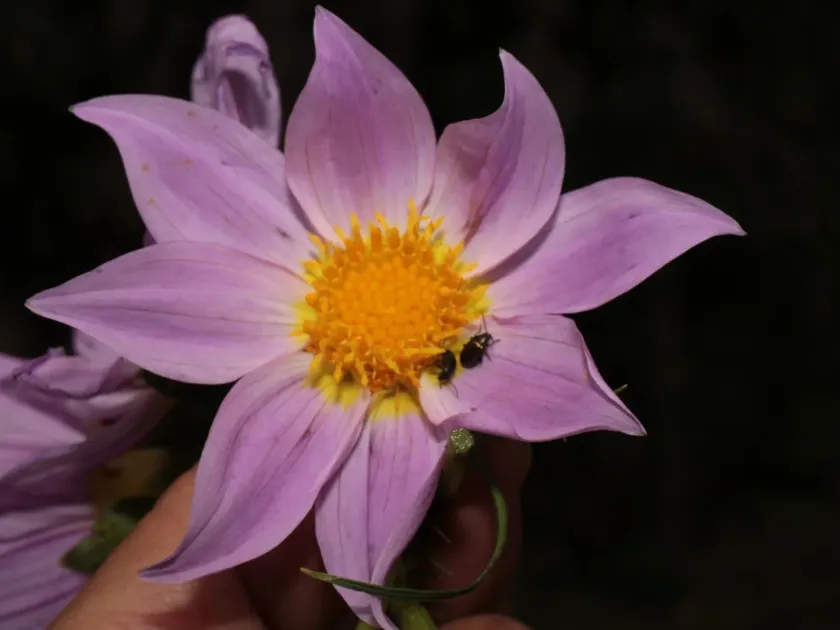
The Rock Dahlia (Dahlia rupicola) is a distinct perennial species belonging to the Asteraceae family. Native to the rugged high-altitude regions of Mexico, it has evolved to thrive in specific ecological niches, primarily on rocky slopes and cliffs.
Cultivating this species requires a deep understanding of its natural habitat. It demands a highly permeable substrate, typically composed of rocky debris or a well-draining potting mix, to ensure that water never accumulates around the roots.
Exposure to light is a critical factor for the healthy development of this plant. While it appreciates bright light, direct scorching sunlight should be avoided during the peak hours of the day, as the plant is accustomed to the cooler temperatures of mountainous areas.
Soil requirements for Dahlia rupicola are centered on low nutrient density and high aeration. The use of heavy fertilizers can be detrimental to the plant's structural integrity, making a balanced approach to mineral nutrition essential for long-term health.
Agronomic management involves precise control of the watering schedule. Since the species is adapted to rocky environments, it requires moisture without saturation. Maintaining consistent, slightly cool ambient temperatures will significantly improve the plant's vigor.
Main diseases and pests
Fungal pathogens remain the primary threat to the Rock Dahlia, especially under conditions of high humidity and poor ventilation. Root rot is the most common consequence of over-watering, which can lead to the rapid decline of the entire specimen.
Insects like aphids and spider mites are frequent pests in dahlia collections. These pests congregate on the undersides of leaves and near the growing tips, requiring proactive management through regular inspection and, if necessary, targeted biological control.
Powdery mildew is a common issue when the plant is grown in environments with stagnant air. Maintaining optimal spacing between individual plants and ensuring a steady flow of fresh air are effective preventative strategies against this fungus.
Gastropods, particularly slugs, can inflict significant damage on new shoots and tender foliage during the early stages of growth. Applying physical barriers or organic repellents around the base of the plant is recommended to mitigate these risks.
Viral pathogens pose a long-term risk to the health of the species, often manifesting as mosaic patterns on foliage or flower abnormalities. Infected plants must be isolated immediately to ensure the health of the surrounding flora is maintained.