
Dahlia pinnata
Dahlia pinnata Cav.
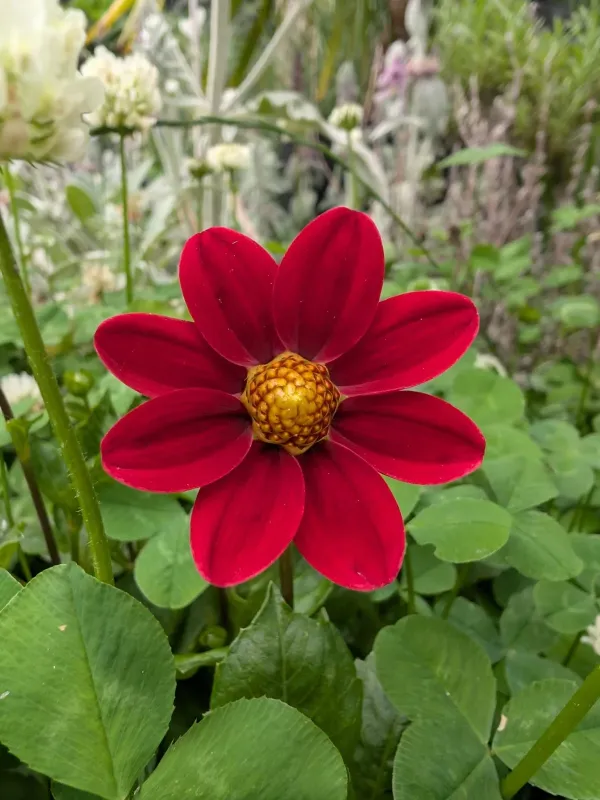
Description
Sowing dates
Dahlia pinnata is a species in the Asteraceae family, native to the mountainous regions of Mexico. It is widely cultivated for its vibrant, complex flower heads and is valued as an ornamental crop globally.
In agricultural practice, Dahlias are typically propagated via tuber division. This method ensures that the progeny retain the specific genetic characteristics of the parent plant, guaranteeing consistency in flower color and form.
Seed propagation is primarily reserved for hybridization and the development of new cultivars. Seeds are sown in a light, sterile medium in early spring, requiring temperatures of approximately 20°C for optimal germination.
Seedlings should be pricked out when the first set of true leaves develops. Providing ample light during the seedling stage is critical to prevent etiolation, which results in weak and spindly plants that are prone to damage.
Transplanting into the open field must occur only after the danger of frost has passed, as Dahlia pinnata is highly susceptible to chilling injury. Cold temperatures can cause immediate stunting or death of the young plant.
Growing requirements
Dahlia pinnata thrives in locations that receive full sunlight for the majority of the day. Proper light exposure is essential for the development of robust stems and the production of abundant, high-quality blooms.
The crop requires well-draining, nutrient-rich, loamy soil. Heavy clay soils should be amended with organic matter and sand to improve drainage, as excessive moisture often leads to tuber rot during the dormant phase.
While the plants require consistent soil moisture during the growing season, they are sensitive to waterlogging. A drip irrigation system is recommended to deliver water directly to the root zone without wetting the foliage.
Maintaining an appropriate pH level between 6.0 and 7.0 is ideal for nutrient uptake. Regular monitoring of soil nutrients is advised, as the plant demands significant amounts of potassium for flower development.
Staking is an essential cultural practice for taller varieties. Strong supports prevent heavy, flower-laden stems from breaking under the weight of rain or during strong wind conditions common in the late summer.
Main diseases and pests
Powdery mildew is a common fungal disease that affects Dahlia pinnata during humid conditions with fluctuating temperatures. It appears as a white, dusty layer on the foliage, reducing photosynthesis and overall plant vigor.
Pests such as aphids, spider mites, and thrips are significant threats. These insects can cause severe leaf deformation and stunted growth, and more importantly, they act as vectors for various viral diseases.
Slugs and snails can cause substantial damage to young shoots in the spring. Implementing integrated pest management strategies, such as physical barriers or biological controls, is effective in minimizing damage.
Root-knot nematodes can also be a hidden threat, causing knots on the roots that disrupt water and nutrient uptake. Rotating crops and using clean, healthy tubers for planting are essential preventive measures.
If viral symptoms appear, such as mosaic patterns or leaf curling, the entire plant should be immediately removed and destroyed to prevent the spread of the pathogen through insect vectors in the garden.
Harvesting
Harvesting the tubers of Dahlia pinnata begins after the first autumn frost has killed the foliage. This natural senescence allows the plant to relocate energy reserves from the stems into the storage organs.
The stems are cut back to approximately 10–15 centimeters above the soil level before digging. Tubers should be carefully lifted with a fork to avoid nicks or bruises, which are entry points for fungi.
After excavation, the tubers should be cleaned of excess soil and allowed to air-dry in a cool, shaded, and well-ventilated location for several days to cure the skin and harden the tissue for storage.
For successful winter storage, tubers should be packed in breathable materials like peat moss, sawdust, or vermiculite, which help maintain the humidity required to prevent desiccation during the dormant period.
Storage facilities must be frost-free, with temperatures kept between 3°C and 7°C. Regular inspections throughout the winter allow for the removal of any rotting tubers, ensuring the health of the entire stock.