
Cyrtopodium woodfordii
Cyrtopodium woodfordii
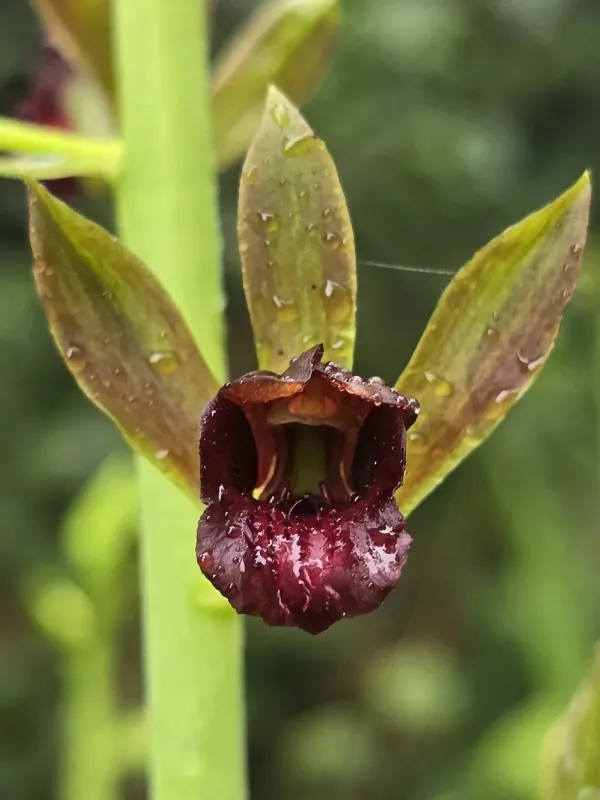
Description
Growing requirements
Cyrtopodium woodfordii is a remarkable species within the Orchidaceae family, known for its robust pseudobulbs and distinct growth habit. It primarily functions as a terrestrial or semi-epiphytic orchid native to the tropical regions of South America.
The plant originates from countries like Brazil and Venezuela, where it thrives in environments characterized by distinct wet and dry seasons. This biological rhythm is essential for the plant to successfully complete its growth cycle and produce inflorescences.
Botanically, it features elongated, lanceolate leaves emerging from clustered, spindle-shaped pseudobulbs. Its root system is vigorous, enabling the plant to anchor securely in soil or rocky substrates, effectively extracting nutrients in nutrient-poor environments.
Optimal growth requires a bright, indirect light environment, as direct tropical sun can damage the foliage. Providing a stable temperature range is crucial, ensuring the plant stays warm during its active growth period and slightly cooler during rest.
The cultivation medium must prioritize drainage. A professional mix for this species typically includes coarse pine bark, perlite, charcoal, and a small portion of sphagnum moss to maintain a balance between moisture retention and essential aeration for the roots.
Main diseases and pests
Fungal rots represent the primary physiological threat to Cyrtopodium woodfordii, particularly when the root zone is kept too wet for extended periods. Lack of airflow around the root system creates the perfect conditions for soil-borne pathogens to thrive.
Common orchid pests, such as scale insects and spider mites, frequently target the leaves and pseudobulbs. These pests extract plant sap, which leads to stunted growth and provides entry points for viruses and bacterial diseases.
Mealybugs are another prevalent threat, often hiding in the deep crevices of the foliage where they are difficult to reach with topical sprays. Manual removal combined with systemic insecticidal treatments is often necessary for control.
Bacterial spots, appearing as dark, sunken lesions on the leaves, usually signify an environment with poor ventilation or high humidity without air circulation. Maintaining a gentle airflow is the best preventative measure against these infections.
To ensure plant health, growers should maintain strict hygiene by sanitizing tools between every use. Avoiding overhead watering and keeping the foliage dry are also effective ways to minimize the risk of spreading opportunistic plant pathogens.