
Cyrtopodium saintlegerianum
Cyrtopodium saintlegerianum
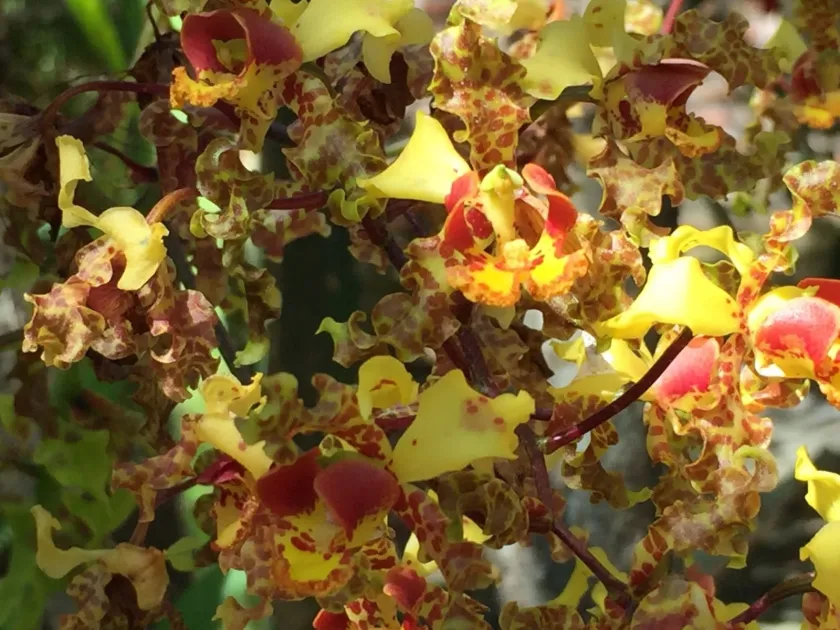
Description
Growing requirements
Cyrtopodium saintlegerianum is a notable species within the Orchidaceae family, native to the tropical regions of Brazil. It is characterized by its large pseudobulbs, which serve as essential water storage organs, allowing the plant to thrive in savanna-like habitats.
The cultivation of this orchid requires high light intensity, similar to the conditions found in tropical open forests. Providing filtered, bright light is essential to ensure vigorous growth and the development of large inflorescences during the flowering season.
The growing medium must be highly porous and well-draining to mimic the plant's natural epiphytic or terrestrial environment. A blend containing pine bark, perlite, and a small amount of charcoal is highly recommended for optimal root aeration.
Temperature management is a critical factor, with the plant thriving in warm conditions between 22 and 30 degrees Celsius. Maintaining a slight temperature drop at night can significantly improve the plant's metabolic performance and vigor.
Watering requirements follow a strictly seasonal pattern. During the growth phase, the plant requires regular hydration, while the dormancy phase necessitates a dry environment to prevent the degradation of roots and pseudobulbs.
Main diseases and pests
Major threats to Cyrtopodium saintlegerianum include fungal infections such as root rot, which are often exacerbated by poor air circulation and excessive moisture in the growing substrate.
Common pests, including spider mites and scale insects, frequently target the leaves and the base of the pseudobulbs, potentially leading to stunted growth or total plant failure if left untreated.
Integrated pest management strategies should be implemented, including the regular application of horticultural oils or systemic insecticides, to keep the population of harmful pests under control.
Cultural prevention methods, such as maintaining optimal humidity levels and ensuring consistent airflow, are the best defense against pathogens and opportunistic pests in greenhouse cultivation.
Periodic monitoring and timely intervention with chemical or biological controls ensure the longevity and health of the orchid specimens throughout their lifecycle.