
Cyrtopodium cipoense
Cyrtopodium cipoense
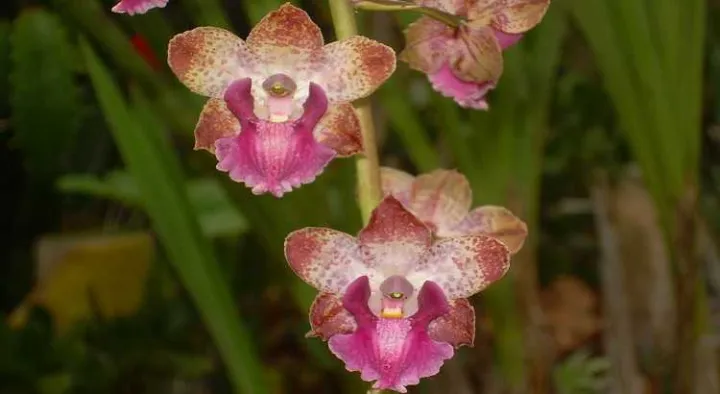
Description
Growing requirements
Cyrtopodium cipoense is a rare orchid species native to the rocky habitats of Minas Gerais, Brazil, belonging to the Orchidaceae family. It is typically found as a lithophyte, thriving in exposed rock crevices where it has adapted to specific microclimatic conditions.
In its native environment, the plant is accustomed to high solar radiation and distinct seasonal variations. These climatic requirements make it a specialized culture that thrives best in greenhouse environments that can mimic the harsh yet predictable patterns of the Brazilian highlands.
Cultivation requires a growing medium that offers exceptional drainage. Standard orchid bark is usually insufficient; instead, growers utilize inorganic substrates, such as perlite, pumice, or granite chippings, to support the root system and ensure proper aeration.
Temperature management is critical, as the plant relies on a clear diurnal temperature range to maintain its metabolic processes. Proper ventilation is essential to avoid the buildup of excessive humidity, which is one of the most common mistakes made in amateur orchid cultivation.
The economic and academic value of this species is centered on conservation and botanical study. As an endemic species, it requires careful handling and specialized care, often serving as a focal point in high-end collections or botanical conservatory displays.
Main diseases and pests
The primary threats to Cyrtopodium cipoense in cultivation are fungal and bacterial infections, which stem from stagnant water or poor air circulation. Overwatering is highly detrimental, especially when the plant is in its resting phase during the winter season.
Pests, such as scale insects and spider mites, can pose significant challenges to the plant's health. Early detection through regular inspections and the use of targeted biological or chemical control methods are essential to maintain the vitality of these rare specimens.