
Cyrtopodium parviflorum
Cyrtopodium parviflorum
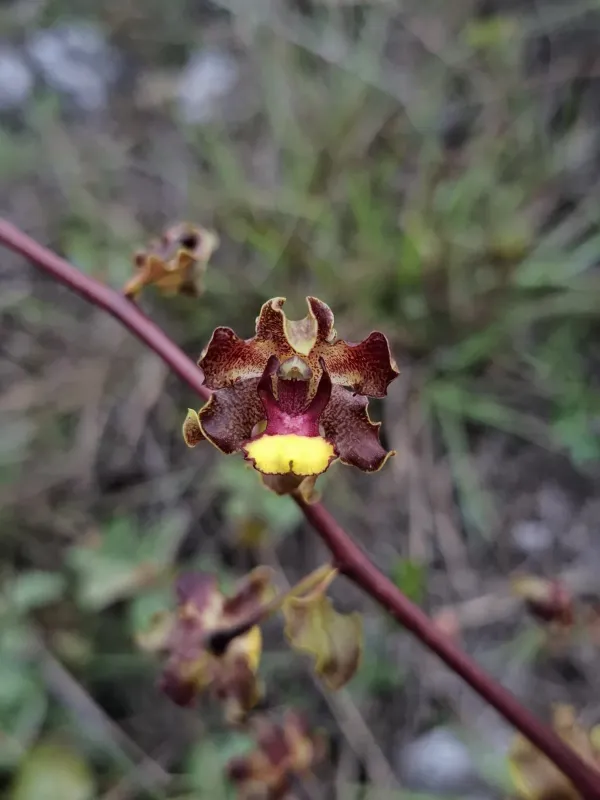
Description
Growing requirements
Cyrtopodium parviflorum is a distinctive species within the Orchidaceae family, native to tropical regions of South America. This orchid is highly valued by collectors for its unique botanical morphology and specific growth patterns.
The culture requires a tropical climate with high humidity levels and consistent temperatures. Maintaining an environment that mimics their natural habitat is essential for vegetative growth and successful flowering cycles.
Substrate selection is critical; the plants require a well-draining, airy medium. Standard orchid bark, mixed with perlite, charcoal, and sphagnum moss, is recommended to prevent waterlogging.
Lighting should be bright but filtered. Exposing the plants to intense direct sunlight can damage leaf tissues, requiring the use of shade cloth in professional greenhouse setups.
Watering management involves maintaining moisture without saturating the roots. During the dormancy phase, water levels should be reduced significantly to allow the plant to rest.
Main diseases and pests
Fungal infections remain the primary threat to Cyrtopodium species, particularly when high humidity is combined with poor air circulation.
Pests such as spider mites, scale insects, and mealybugs are commonly found on these plants, especially in indoor conditions with dry air.
Integrated pest management strategies are recommended, utilizing both physical removal and specialized acaricides or insecticides to control outbreaks.
Maintaining a sterile environment for propagation and using disinfected tools are fundamental practices to prevent the spread of pathogens between specimens.
Careful monitoring of the root system is essential to detect early signs of rot, allowing for timely intervention and repotting if necessary.