
Cyrtopodium flavum
Cyrtopodium flavum
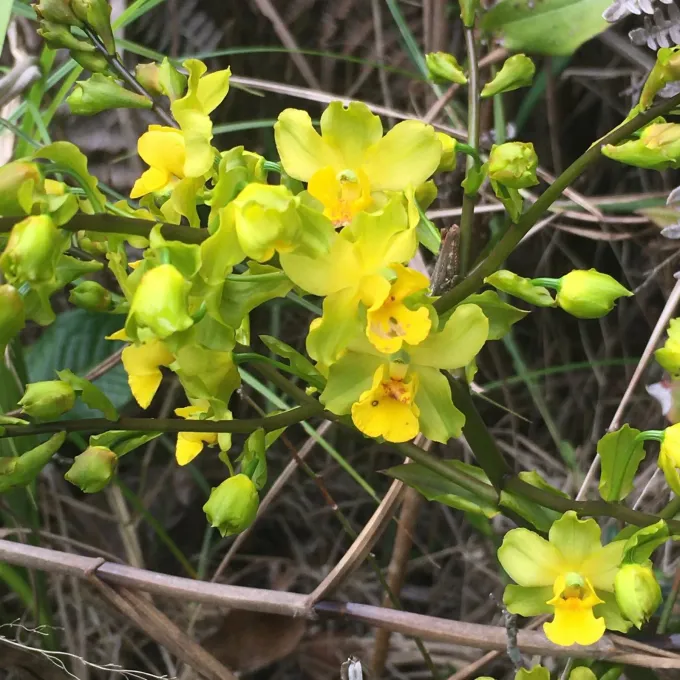
Description
Sowing dates
Propagation of Cyrtopodium flavum is typically achieved through division, as natural seed germination is complex and requires symbiotic fungi.
The best time to divide the plant is immediately following the flowering cycle, when the plant begins its new growth phase.
When dividing, ensure each new segment has at least three mature pseudobulbs to support the energy requirements of the new shoot.
Seeds, if utilized for laboratory-controlled cultivation, must be sown in sterile agar medium within specialized nursery conditions.
Care must be taken not to bury the pseudobulbs too deep in the potting mix, as this can lead to moisture-related decay.
Growing requirements
As a member of the Orchidaceae family, Cyrtopodium flavum thrives in environments that mimic its native South American tropical habitat.
It requires a coarse, well-draining substrate typically composed of pine bark, charcoal, and perlite to maintain ideal root aeration.
The plant demands high light intensity but should be shielded from intense, direct midday sun to prevent leaf scorching and desiccation.
Consistent temperatures are vital, with a clear distinction between day and night temperatures to encourage the development of flower spikes.
Maintaining a humidity level of at least 60% is essential for healthy development, provided there is adequate airflow to prevent fungal buildup.
Main diseases and pests
Common agricultural threats include spider mites and mealybugs, which tend to infest the leaf axils and the bases of the pseudobulbs.
Root rot, caused by overwatering or poor drainage, is the primary pathological threat that can destroy the root system very rapidly.
Fungal leaf spot diseases are prevalent during periods of high humidity and poor ventilation, often requiring systemic fungicide intervention.
Regular inspection of the foliage and root zone is recommended as a standard prophylactic measure to detect infestations before they escalate.
Sanitation of tools used for trimming or division is critical to prevent the cross-contamination of viral or bacterial pathogens between plants.
Harvesting
The primary economic use of this culture is within the high-end ornamental floral industry for its unique and long-lasting flower spikes.
Harvesting for commercial floristry involves cutting the spike at its base once the majority of buds have opened to ensure maximum display life.
Post-harvest care includes immediate hydration and storing stems in a controlled environment to maintain the integrity of the delicate flowers.
Growers should focus on the quality of the pseudobulbs, as strong vegetative growth is directly correlated to the vigor of the next season's bloom.
Commercial production requires climate-controlled greenhouses, as the plant is highly sensitive to frost and extreme fluctuations in environment.