
Cyrtopodium gigas
Cyrtopodium gigas
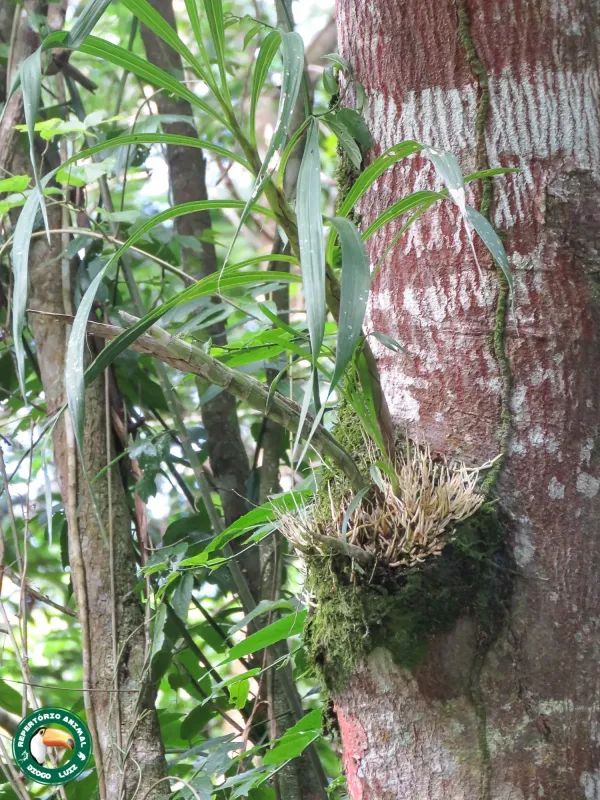
Description
Growing requirements
Cyrtopodium gigas is a robust epiphytic orchid belonging to the Orchidaceae family. Native to the tropical regions of South America, it is prized by enthusiasts for its impressive size, particularly its large, conical pseudobulbs that can store substantial water reserves.
To cultivate this species successfully, growers must provide high light intensity. It thrives in locations that receive plenty of bright, indirect sunlight, and some direct sun during the early morning hours can be beneficial for the plant's structural development and vigor.
Temperature requirements are generally warm, with daytime ranges between 24°C and 29°C. A nighttime drop of 5–7 degrees is essential to simulate its natural environment and signal the plant to transition into different phases of its growth cycle.
The potting medium must be coarse and well-draining, typically consisting of large-grade orchid bark, charcoal, and perlite. This structure is vital for healthy root aeration, as the roots are highly sensitive to suffocation caused by heavy, compacted substrates.
Watering practices should follow the plant's phenology. During the growing season, consistent moisture is necessary, while a distinct dry rest period is required once the pseudobulbs have matured to ensure proper flowering and prevent root rot.
Main diseases and pests
Fungal rots are the most common issue for Cyrtopodium gigas, particularly if the plant is subjected to poor air circulation or stagnant water in the core of the pseudobulbs. These infections can be aggressive and progress rapidly in humid environments.
Pests such as scale insects often hide under the protective sheaths of the pseudobulbs. Regular inspection is necessary to manage these colonies before they spread to the leaves, where they weaken the plant by sucking essential sap.
Mealybugs are another persistent threat, especially in greenhouse collections where they can easily migrate between plants. Systemic insecticides or neem-based treatments are often effective when applied at the first sign of infestation.
Over-fertilization can lead to root burn, manifesting as yellowing tips or brown patches. It is recommended to use diluted orchid-specific fertilizers and flush the pot with pure water periodically to prevent salt buildup in the substrate.
Maintaining a clean growing area and sterilizing tools between tasks is the best practice for preventing the spread of latent viruses, which remain a permanent threat to long-term orchid health if biosecurity is ignored.