
Black-seeded flatsedge
Cyperus melanospermus (Nees) J. V. Suringar
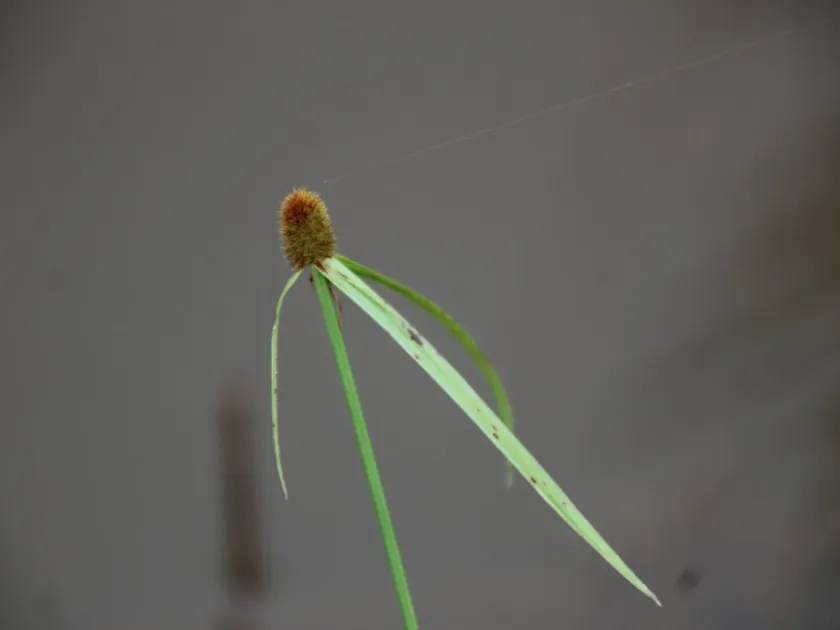
Description
Growing requirements
Black-seeded flatsedge (Cyperus melanospermus) is a perennial herbaceous plant belonging to the Cyperaceae family. It is recognized in agriculture as a robust species capable of thriving in wetland environments and waterlogged soils where traditional crops fail to establish.
The plant originates from tropical and subtropical regions of Africa and Asia. Its natural distribution is closely tied to riparian zones, marshes, and damp meadows, making it an interesting candidate for the cultivation of marginal, high-moisture agricultural land.
Cultivation requires soils with high moisture-holding capacity, ranging from organic-rich mucks to damp loams. The species exhibits remarkable tolerance to temporary inundation, allowing it to adapt to fluctuating water levels in managed wetland systems.
Botanically, it features a sturdy rhizomatous system that allows for rapid clonal expansion. The leaves are grass-like and generally slender, emerging from a central crown. The plant relies on this dense root structure to maintain stability and nutrient uptake in saturated substrates.
For optimal growth, the species requires warm temperatures between 20 and 30 degrees Celsius and full sunlight exposure. While it is highly adaptable, consistent water supply is critical to prevent the drying out of root zones, which can quickly lead to plant stress and reduced vigor.
Main diseases and pests
While relatively resilient, Black-seeded flatsedge can be susceptible to various fungal pathogens under conditions of stagnant water and poor air circulation. Root rot is a primary concern if the water does not maintain a sufficient level of oxygenation within the soil profile.
Pest pressures often involve sucking insects, such as aphids, which can proliferate during drier periods or under heat stress. These pests extract sap from the foliage, potentially stunting the growth and reducing the overall quality of the harvested biomass.
Disease management involves maintaining optimal water flow to prevent the buildup of anaerobic conditions. Regular monitoring for foliar discoloration or root decay is an essential practice for maintaining healthy stands throughout the growing season.
If fungal infections are detected, improving ventilation around the canopy and implementing targeted treatments may be necessary. Using certified disease-free stock is a foundational strategy for preventing the introduction of soil-borne pathogens into new planting sites.
Strategic density management is also important; planting spacing should ensure adequate airflow to prevent microclimates favorable for mold growth. Managing the competition from invasive weeds during the establishment phase ensures the crop reaches maturity without resource limitations.