
Cymopterus purpureus
Cymopterus purpureus
Description
Growing requirements
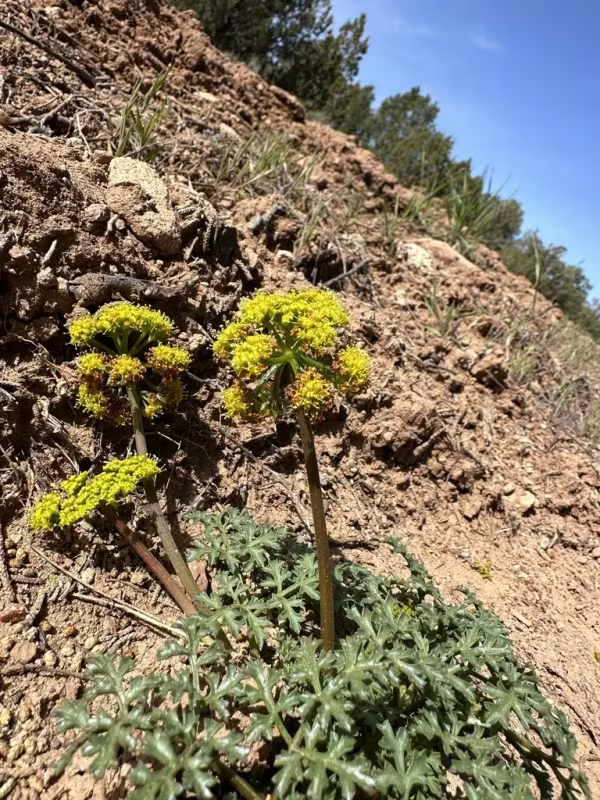
Cymopterus purpureus, commonly known as the purple cymopterus, is a perennial plant belonging to the Apiaceae family. It is a highly specialized species characterized by its low-growing habit and distinctively colored inflorescences that appear during early spring.
Native to the arid mountain regions of the Southwestern United States, the plant is well-adapted to environments with thin, nutrient-poor, and highly permeable soils. It typically thrives in rocky substrates where moisture drains away rapidly.
To cultivate this species successfully, growers must emulate its natural habitat conditions. The most critical requirement is perfect drainage, as the species is highly susceptible to root decay when exposed to stagnant water or excessive humidity.
Regarding climate, the plant requires cold winter stratification to initiate germination and spring growth. It prefers full sun exposure and is highly tolerant of the high-altitude ultraviolet light found in its native mountain ranges.
The botanical structure of the plant, specifically its thick taproot, allows it to store nutrients and survive prolonged dry spells. This adaptation makes it a resilient choice for xeriscaping, provided the soil composition is accurately managed.
Main diseases and pests
The primary threats to Cymopterus purpureus in cultivation are fungal pathogens, specifically those causing root and crown rot. These diseases are almost exclusively triggered by improper irrigation schedules and poor soil aeration.
Insects such as aphids and certain types of soil-dwelling larvae can pose a risk to the tender foliage and root systems. Regular scouting during the early growth stages is recommended to mitigate the impact of pest infestations.
Disease management relies heavily on prevention through site selection and soil preparation. Ensuring that the planting area is situated on a slope or a raised bed can significantly decrease the risk of pathogen accumulation.
During wetter months, it is advisable to protect the plants from excessive rainfall, especially if the local soil has high clay content. Using inorganic mulches like grit or small stones can help keep the crown of the plant dry.
Should pests appear, manual removal or the application of insecticidal soaps is preferred over broad-spectrum chemicals. Preserving the ecological balance around the plant is essential for its long-term health and growth vigor.