
Anise-scented cymopterus
Cymopterus anisatus
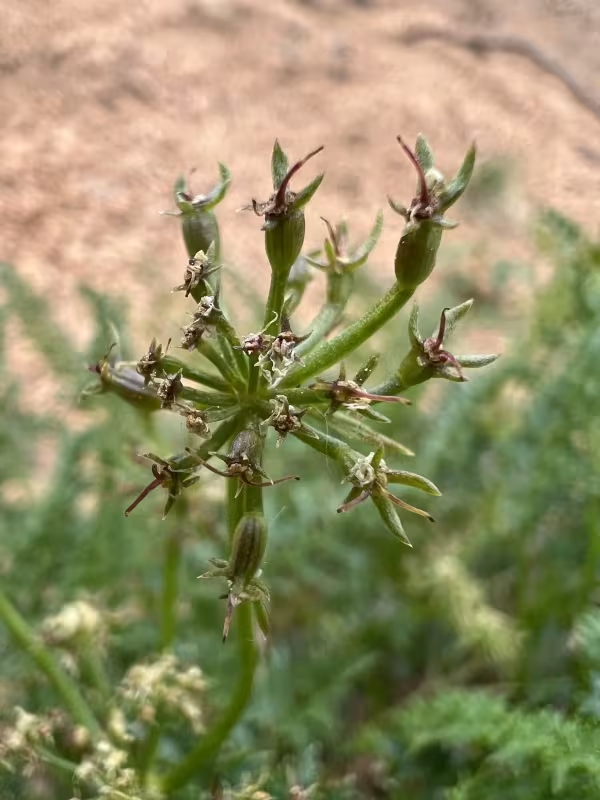
Description
Sowing dates
Anise-scented cymopterus (Cymopterus anisatus) is a perennial herbaceous plant from the Apiaceae family, native to arid regions of North America.
Sowing should be performed in the autumn to ensure that the seeds undergo the necessary cold stratification period during the winter months.
The planting depth is critical; seeds should be placed no deeper than 1 to 2 centimeters into the soil to ensure successful germination in the spring.
The selection of a planting site must prioritize excellent drainage to prevent seed rotting, which is a common issue in heavier, compacted soils.
Proper spacing between rows is essential for the crop to thrive, allowing each plant to access sufficient nutrients without extreme competition.
Growing requirements
This species is highly adapted to drought-prone environments and requires well-drained, sandy or gravelly soils to reach its full growth potential.
Full sun exposure is mandatory; the plant will not perform well in shaded areas, as light is a limiting factor for its metabolic processes.
The culture thrives in areas with low humidity and is sensitive to excessive irrigation, which can cause significant damage to its taproot system.
Soil nutrient levels should be modest; high-fertility soils often lead to poor plant structure and reduced concentration of essential oils.
Climate adaptability is one of its primary strengths, as the plant can withstand severe temperature fluctuations typical of high-desert climates.
Main diseases and pests
Root rot caused by Phytophthora or Pythium species is the most significant disease threat, usually triggered by poor soil aeration.
Pests such as aphids may congregate on the flower umbels during the active growth phase, affecting seed development and vitality.
Wireworms and other root-feeding soil insects pose a risk to young plants, potentially destroying the crop before it becomes established.
Monitoring for signs of powdery mildew is recommended during periods of unexpected damp weather or heavy morning dews.
- Use of certified, disease-free seed material.
- Implementing effective weed control strategies.
- Preventing water stagnation near the root crown.