
Cymopterus ibapensis
Cymopterus ibapensis
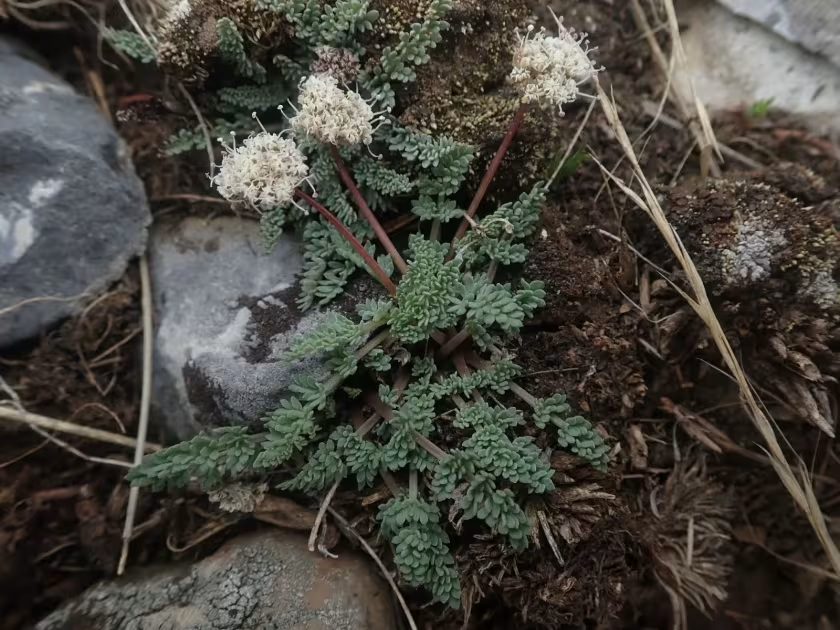
Description
Sowing dates
Cymopterus ibapensis is a perennial herbaceous plant belonging to the Apiaceae family. Its life cycle is adapted to cool-temperate regions, with growth resuming promptly after the soil warms in early spring.
The seeds possess deep dormancy, requiring a period of cold stratification to trigger germination. In agricultural settings, sowing in late autumn is recommended to allow the seeds to undergo natural winter chilling cycles.
Seeds should be sown at a shallow depth of 1-2 centimeters. Consistent soil moisture is critical during the initial germination phase to ensure a high rate of seedling establishment.
Choosing an appropriate site is vital; the plant requires full sun exposure to thrive. Inadequate light levels often lead to stunted development and poor root system architecture, reducing the overall vigor of the crop.
Spacing between plants should be optimized to allow for sufficient air circulation. A row spacing of at least 40 centimeters is recommended to facilitate manual weeding and prevent competition between plants.
Growing requirements
This species thrives in loose, well-drained soil types. Sandy or sandy-loam textures are preferred, as they provide the necessary aeration for root health while preventing the accumulation of excess moisture.
Drainage is the most important factor in site selection, as waterlogged conditions quickly lead to root rot. If the soil has heavy clay content, the installation of raised beds is essential for successful cultivation.
The plant is adapted to moderate temperature fluctuations. It remains dormant during the heat of summer and peak winter, prioritizing growth during the cool and moist spring months, which is characteristic of its high-altitude habitat.
Fertility requirements are relatively low compared to intensive vegetable crops. Excess nitrogen application is counterproductive, as it encourages excessive foliage growth at the expense of the root storage organs.
Regular cultivation of the topsoil is necessary to improve gas exchange and manage weed pressure. Proper soil management ensures that the root environment remains aerobic, which is vital for the development of healthy specimens.
Main diseases and pests
Root rot caused by various fungi remains the primary threat, especially in seasons with high rainfall. Maintaining an optimal drainage system is the most effective preventative measure against soil-borne pathogens.
Insect pests such as aphids and leaf miners can cause significant damage to the foliage. Integrated pest management strategies, focusing on monitoring and early intervention, are recommended for maintaining plant health.
Gastropods, including snails and slugs, are particularly dangerous to young seedlings. Implementing physical barriers or organic baiting methods can significantly reduce crop loss during the critical early growth stage.
Viral pathogens may cause chlorosis and stunted growth. Because these are often spread by insect vectors, controlling the populations of aphids and whiteflies is essential for disease prevention.
Crop rotation is fundamental to managing soil-borne diseases. Avoiding repeated planting on the same site prevents the buildup of pathogens associated with the Apiaceae family, ensuring long-term yield stability.