
Thread-leaf spring-parsley
Cymopterus filifolius
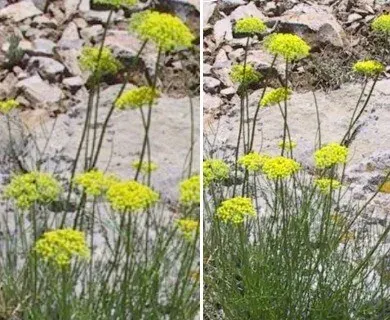
Description
Sowing dates
Cymopterus filifolius is a perennial herbaceous plant belonging to the Apiaceae family, native to arid regions of North America.
Propagation is primarily achieved through seeds, which require a cold stratification period to break dormancy successfully.
Sowing should be performed in late autumn, allowing the seeds to experience winter temperatures that mimic their natural environment.
The seeds must be sown shallowly, ideally in a well-drained substrate mixed with sand or fine gravel to prevent moisture accumulation.
After germination, seedlings require minimal intervention, provided the drainage remains efficient and direct sunlight is available.
Growing requirements
The cultural success of this species depends heavily on replicating its native habitat conditions, primarily focusing on extreme drainage.
Full sun exposure is mandatory; any level of shade can lead to leggy growth and reduced vigor in this desert-adapted plant.
The soil should be sandy or gravelly, with a neutral to slightly alkaline reaction, typical of the calcareous soils in its natural range.
Watering requirements are very low after the establishment phase; overwatering is the most common cause of crop failure.
The plant is highly adapted to temperature fluctuations and thrives in regions with hot, dry summers and cool winters.
Main diseases and pests
The primary threats to this culture are related to excess moisture, which facilitates the rapid spread of fungal pathogens.
Root rots are the most common cause of plant death, making soil texture the most critical factor for long-term survival.
Insects such as aphids or lepidopteran larvae may occasionally attack the plant, though typically they do not reach epidemic levels.
Preventative measures include ensuring proper plant spacing for air circulation and avoiding the use of heavy, water-retaining soils.
- Root rot due to poor soil drainage
- Mildew infections in humid environments
- Damage from chewing insects during the flowering stage