
Snow cymopterus
Cymopterus nivalis
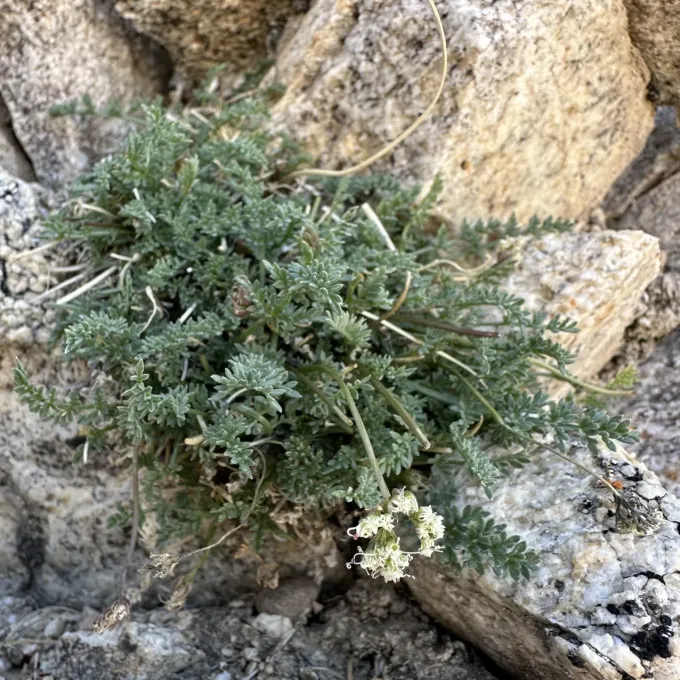
Description
Sowing dates
Snow Cymopterus is a high-altitude perennial that requires a cold stratification period to break seed dormancy. For optimal results, seeds should be sown in late autumn or subjected to artificial cold stratification at 0–5 degrees Celsius for at least 12 weeks.
When sowing in containers, use a gritty and free-draining medium. Seeds should be buried shallowly, as they need minimal coverage, generally not exceeding 0.5 to 1 cm, to ensure successful germination.
The transition from cold to slightly warmer temperatures in early spring usually triggers the germination process. It is crucial to maintain consistent moisture during this initial stage without over-saturating the substrate.
Once seedlings emerge, they should be moved to a location with bright, indirect light, gradually transitioning to full sun to encourage robust growth and prevent leggy, weak stems.
Avoid frequent transplanting, as the species develops a significant taproot that is highly sensitive to damage, which can stunt or kill young plants.
Growing requirements
As a member of the Apiaceae family, Snow Cymopterus is adapted to harsh alpine conditions, specifically rocky slopes and screes. It demands excellent drainage, making standard garden soils unsuitable unless heavily amended with coarse sand and gravel.
The plant thrives in nutrient-poor, mineral-rich soils with a neutral to slightly alkaline pH. High organic matter content should be avoided, as it tends to hold excessive moisture and promotes rot.
Full sun exposure is mandatory. These plants have evolved to capture maximum light in high-altitude environments and will struggle significantly if grown in even partial shade.
The climate requirements include a distinct cold winter followed by a relatively cool and dry growing season. Sudden heat waves combined with high humidity can stress the plants considerably.
Watering should be minimal and carefully controlled, mimicking the erratic water availability of mountain slopes. The soil should be allowed to dry out almost completely between irrigation events.
Main diseases and pests
The primary threat to the health of Snow Cymopterus is fungal pathogens associated with damp soil conditions. Root rot is the most common cause of plant mortality in domestic cultivation settings.
Poor ventilation, especially in greenhouse or indoor environments, increases the risk of mold and bacterial infections on the foliage and at the crown of the plant.
Soil-dwelling insects, such as grubs or larvae, pose a major risk as they may chew through the deep taproot, effectively destroying the plant's nutrient transport system.
Over-fertilization, especially with synthetic nitrogen, is a common error that leads to rapid, soft growth, making the plant more susceptible to aphids and fungal colonization.
Maintaining a sterile environment for young seedlings and providing high-grit surfaces around the base of mature plants are the best preventative measures against common pests and diseases.