
Cymopterus macdougalii
Cymopterus macdougalii
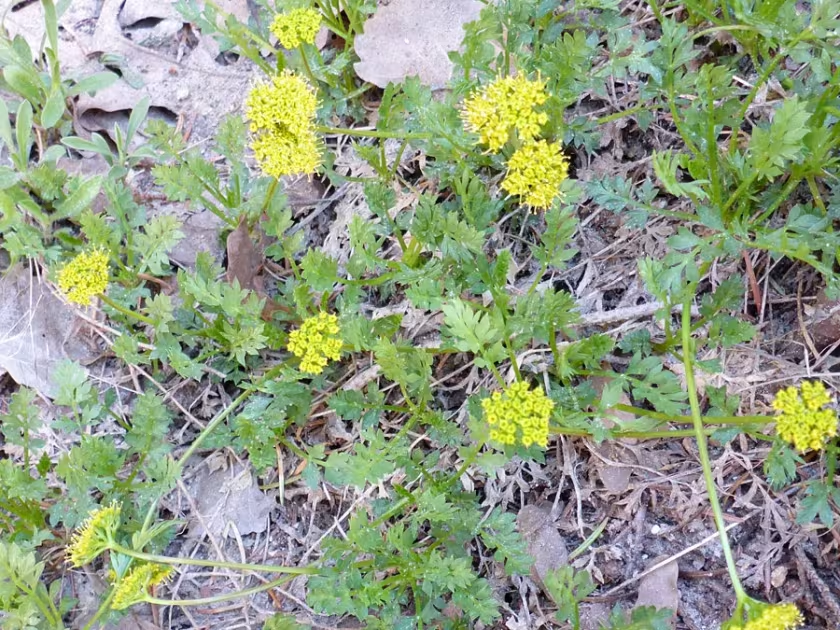
Description
Growing requirements
Cymopterus macdougalii is a perennial herbaceous plant belonging to the Apiaceae family. It is recognized for its specialized adaptation to harsh desert climates and arid environmental conditions.
Native to the Southwestern United States, this species has evolved in regions characterized by low precipitation and significant diurnal temperature variations. Its natural habitat is typically sandy or rocky soil in open, exposed terrain.
Botanically, the plant is distinguished by a deep taproot system, which serves as a vital reservoir for water and essential nutrients. The foliage is generally compact and finely divided, reducing surface area to minimize transpiration losses under high heat.
Successful cultivation requires soil that mimics desert conditions: extremely high drainage capacity and low nutrient density are essential. The plants do not tolerate waterlogged environments, which are strictly detrimental to their root structures.
Full sun exposure is a mandatory requirement for this species. It thrives in high light intensity, which supports its metabolic processes and prevents etiolation of the leaf tissues during the growing season.
Main diseases and pests
The primary threat to the health of Cymopterus macdougalii is the prevalence of root rot pathogens, which are typically activated by excessive moisture and poor drainage. Maintaining a dry root zone is the most effective preventative measure.
Insect pests, including various aphids and larvae of lepidopteran species, may cause localized damage to the vegetative structures. Monitoring and integrated pest management are necessary to protect the plant during its relatively slow development phase.
Fungal leaf spot diseases may emerge if the plant is grown in environments with high humidity or poor air circulation. Proper spacing and placement in well-ventilated areas help mitigate these risks significantly.
Competition from encroaching weeds is a severe threat due to the plant’s slow growth rate. Mechanical weed control is preferred over chemical methods, as the plant may be sensitive to herbicides applied near the root zone.
Environmental stress, such as unseasonable frost or extreme humidity fluctuations, can weaken the plant's natural defense systems. Providing stable, arid-like conditions throughout the year is crucial for plant longevity and vigor.