
Ceylon Cycad
Cycas zeylanica
Description
Growing requirements
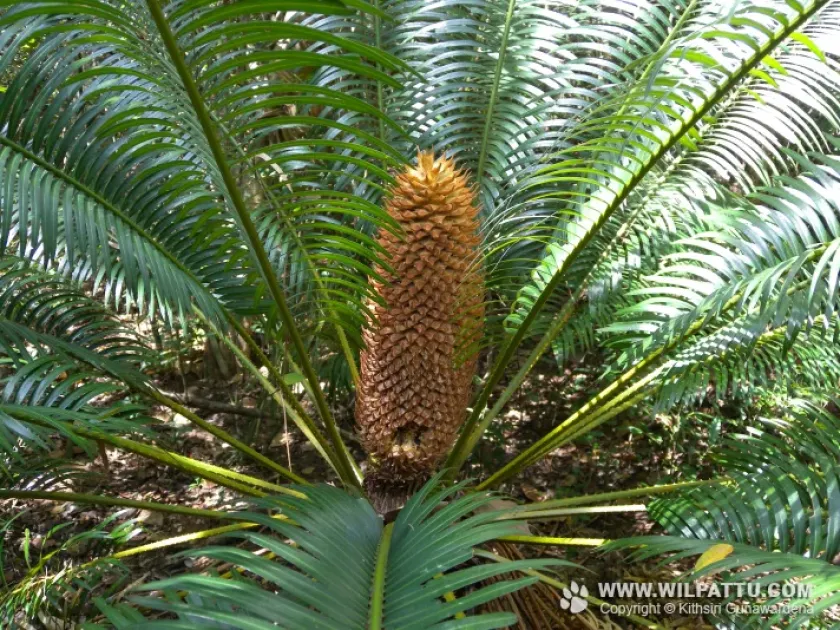
The Ceylon Cycad (Cycas zeylanica) is a species within the Cycadaceae family. As a prehistoric gymnosperm, it is often confused with palm trees, yet it possesses a completely different biological structure and reproductive system.
Its natural habitat is restricted primarily to the coastal regions of Sri Lanka and nearby areas. It thrives in sandy, well-draining soils and is naturally adapted to the humid, warm maritime climate of the tropics.
Climate requirements include consistent tropical temperatures. The species is highly sensitive to frost; even brief exposure to freezing temperatures can cause irreversible damage to its vascular tissues and foliage.
Soil management is critical for this species. It requires a substrate that mimics its native environment—very gritty, highly porous, and with minimal water retention. Clay-heavy soils will lead to rapid root rot.
Light intensity should be high, preferably filtered sunlight. While mature specimens can tolerate some direct morning sun, the intense midday sun in certain latitudes can scorch the glossy, pinnate leaves of younger plants.
Main diseases and pests
The most significant threat to the Ceylon Cycad is root rot, generally caused by poor drainage or overwatering. Once root tissues begin to decay, the plant is extremely difficult to recover due to its slow metabolic rate.
Scale insects are the most persistent pests for this plant. They hide in the crevices of the trunk and along the midribs of the leaves, drawing sap and weakening the plant's overall vigor and resistance to pathogens.
Mealybugs are also common, appearing as white, cotton-like masses in the leaf axils. Left untreated, they can stunt growth and facilitate the development of sooty mold, which impairs the plant's ability to photosynthesize.
Spider mites represent a major concern in low-humidity environments. They cause stippling and browning of the leaves, which significantly reduces the aesthetic and biological value of the cycad.
- Monitor leaf undersides weekly for early signs of pests.
- Use systemic insecticides specifically labeled for indoor or tropical ornamentals.
- Ensure adequate air circulation to prevent fungal growth.
- Prune only dead or yellowing leaves to minimize stress.
- Maintain a strict watering schedule during the winter dormancy period.