
Cycas brunnea
Cycas brunnea
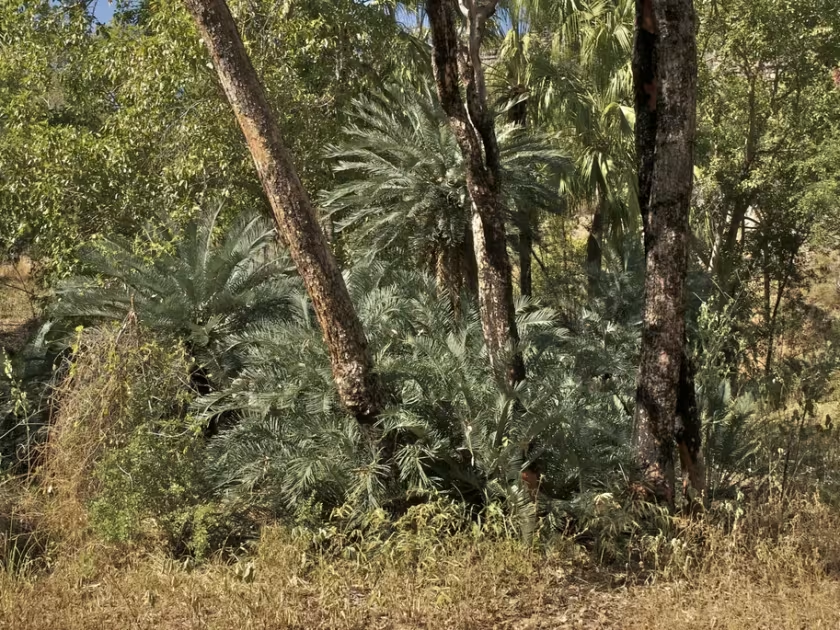
Description
Growing requirements
Cycas brunnea is a prominent member of the Cycadaceae family, native to the arid rocky regions of Queensland, Australia. This species is highly valued in botanical collections for its structural beauty and slow-growing nature.
The plant features a distinct, sturdy trunk that serves as a reservoir for nutrients. Its foliage consists of stiff, leathery leaves that are arranged in a classic crown pattern, typical for this genus of ancient gymnosperms.
Requirements for Cycas brunnea include plenty of bright light. While it is adapted to harsh conditions, in a greenhouse or indoor environment, it thrives best when provided with high light intensity to maintain leaf vigor.
The substrate must be extremely well-draining. A combination of coarse sand, pumice, and aged organic compost is recommended to ensure that water does not remain stagnant around the roots for extended periods.
Climate control is essential for cultivation. The species prefers warm temperatures during the growth phase and a distinct cool-down period during the winter months, which prevents etiolation and promotes healthy yearly cycles.
Main diseases and pests
Common pests for this cycad include scale insects and mealybugs. These small sap-sucking pests often hide in the crevices of the trunk or along the leaf rachis, making early detection a primary challenge for growers.
Root rot is the most significant pathological threat to Cycas brunnea. It is almost exclusively caused by overwatering or using a growing medium that is too dense and holds moisture for too long, suffocating the roots.
Fungal infections of the foliage can occur if the humidity levels are too high combined with poor airflow. It is crucial to keep the plant in an area with good ventilation to prevent spore development.
Nutrient deficiencies, specifically magnesium, often lead to chlorosis. Regular application of a balanced, low-nitrogen fertilizer formulated for cycads will help maintain the deep green color of the leaves.
To ensure long-term health, growers should practice systematic inspections and use horticultural oils or systemic insecticides only when necessary. Maintaining dry conditions during the plant's rest phase is the best strategy to avoid diseases.