
Cycas edentata
Cycas edentata
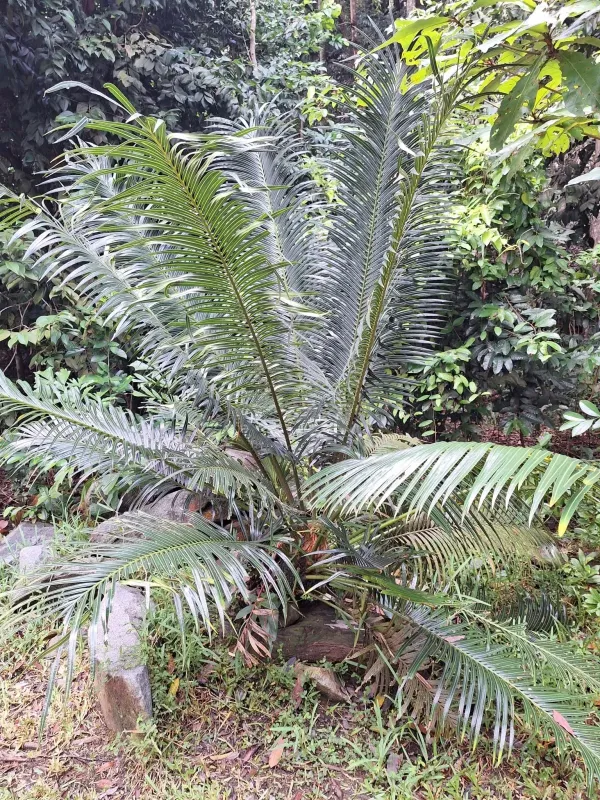
Description
Growing requirements
Cycas edentata is a unique species within the Cycadaceae family, originating from the tropical regions of Southeast Asia. It is often characterized by its robust, trunk-forming habit and distinctive pinnate leaves.
This species requires a warm, tropical climate to thrive, showing no tolerance for frost. It prefers locations with bright, filtered sunlight to prevent leaf scorching while maintaining optimal metabolic rates.
Soil structure is critical for this culture; it must be well-draining and slightly acidic to neutral. High-quality potting mixes or light, rocky forest soils are the most appropriate for healthy development.
Watering practices must be balanced; while the plant requires consistent moisture during the growing season, it must be allowed to dry out between waterings to prevent root-zone suffocation.
In addition to climate, air circulation is vital. Stagnant air environments often invite physiological stress, which directly leads to susceptibility toward opportunistic pathogens.
Main diseases and pests
Cycad scales are the most significant pests affecting this species. These insects attach to the undersides of leaves and can rapidly colonize the entire plant if left untreated.
Root rot caused by various fungal species, such as Phytophthora, is the primary threat to the longevity of the plant, usually triggered by improper drainage.
Spider mites frequently attack plants kept in indoor or greenhouse settings where humidity levels fall below the threshold required for the cycad’s health.
Mealybugs can also infest the crown, hiding deep within the emerging foliage, which makes early detection and treatment with horticultural oils essential.
Regular monitoring of the foliage and root health, combined with proper sanitation practices, remains the cornerstone of effective management for this crop.