
Cycas media
Cycas media
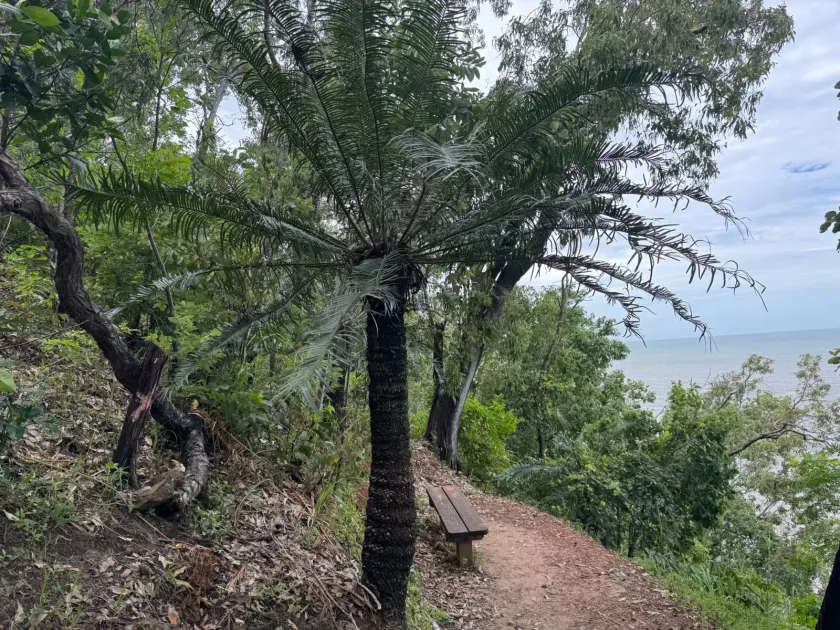
Description
Growing requirements
Cycas media is a prominent species within the Cycadaceae family, native to the tropical regions of Queensland, Australia. As a perennial gymnosperm, it is known for its slow growth and architectural structure, featuring a sturdy trunk topped with a crown of tough, pinnate leaves.
This species thrives in environments with high humidity and consistent temperatures. While it is adaptable to various soil types, the primary requirement for healthy growth is excellent drainage to prevent the root system from sitting in stagnant water, which is detrimental to the plant's health.
In terms of light exposure, Cycas media prefers bright, filtered sunlight. While mature plants are quite resilient and can tolerate periods of full sun, young specimens should be protected from harsh afternoon rays to prevent leaf scorching and structural damage to the foliage.
Agrotechnical practices for this plant center on careful water management and soil enrichment. Fertilization should be conducted primarily during the active growing season using a balanced, slow-release formula to support the production of new fronds, which typically appear annually in favorable conditions.
Historically and ecologically, this plant holds significance as a food source in Indigenous cultures, provided that the toxic components of the seeds and pith are removed through traditional leaching and heating methods. Today, it is largely cultivated for its high ornamental value in tropical landscape designs.
Main diseases and pests
Scale insects and mealybugs represent the primary biological threats to Cycas media. These pests tend to congregate in the protected areas of the foliage, depleting the plant's nutrient reserves and creating sticky residue that often attracts secondary sooty mold infections.
Root rot caused by Phytophthora or other soil-borne fungi is a critical threat during cooler, damper periods. Once the root system is compromised, the plant struggle to transport nutrients upward, leading to leaf yellowing and the eventual collapse of the central stem if not treated immediately.
To mitigate the risk of pest infestation, horticulturalists recommend maintaining high air circulation around the plants and avoiding overhead irrigation. If pests are detected, the manual removal followed by the application of horticultural oils or systemic insecticides is highly recommended.
Leaf spot diseases, often resulting from bacterial or fungal pathogens, can also affect the aesthetics and vitality of the plant. Maintaining clean gardening tools and removing infected leaves promptly helps restrict the spread of these pathogens across the collection.
Finally, it is essential to remember that Cycas media is toxic to mammals. All parts of the plant, especially the seeds, contain cycasin, which can cause severe health complications if ingested. Proper storage and handling are mandatory when maintaining these plants in residential or public environments.