
Cycas multipinnata
Cycas multipinnata
Description
Growing requirements
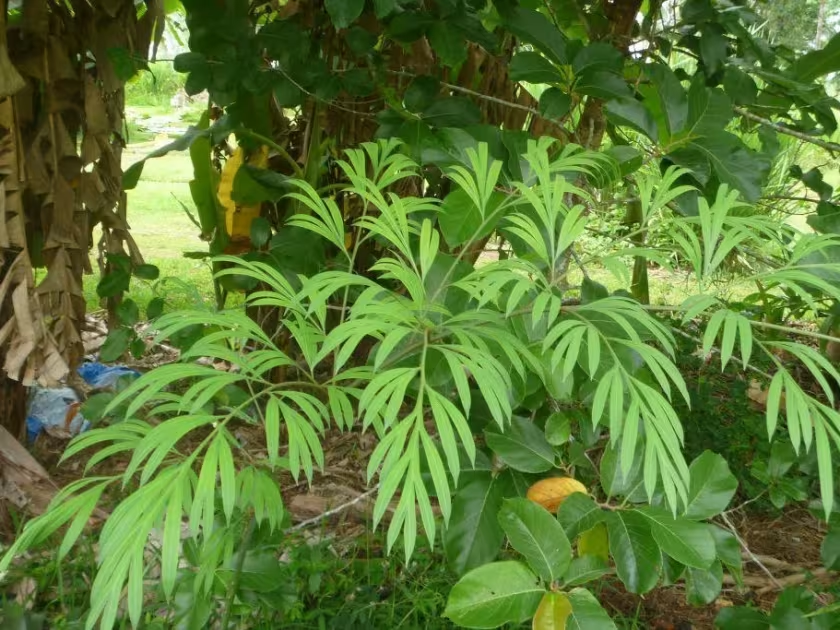
Cycas multipinnata is a unique member of the Cycadaceae family, highly prized by collectors for its elegant, multi-pinnate leaves that resemble fine lace. Unlike many other cycads, this species features a highly complex foliage structure.
Originating from the mountainous regions of Yunnan, China, and northern Vietnam, this plant is naturally adapted to limestone slopes and karst landscapes. It thrives in environments where soil drainage is exceptional and air circulation is constant.
The cultural requirements demand a warm and humid environment, mirroring its native tropical-subtropical habitat. It is essential to protect this species from frost, as the sensitive foliage and root system will not survive freezing temperatures.
For cultivation, a fast-draining, gritty soil mix is mandatory. A combination of coarse sand, perlite, and decomposed organic matter ensures that the roots do not sit in saturated soil, which is the primary cause of plant loss.
Bright, indirect sunlight is optimal for C. multipinnata. While the plant can withstand some exposure, intense direct sun often leads to scorching of the delicate leaflets, reducing the ornamental value of the specimen.
Main diseases and pests
Root rot caused by Phytophthora species is the most significant threat to this cycad. Prevention is key, which involves strictly monitoring water schedules and ensuring the potting container has ample drainage holes.
Scale insects are common pests for this plant, often appearing on the underside of the leaflets. They can be difficult to manage due to their protective shells, necessitating the use of systemic insecticides or horticultural oils.
Mealybugs are another frequent issue, settling in the crevices of the trunk and near the crown. Manual removal with a cotton swab dipped in isopropyl alcohol is an effective initial response for minor infestations.
Spider mites can become problematic if the ambient humidity is too low. Increasing air moisture and ensuring good ventilation around the plant are effective ways to mitigate the risk of mite colonization.
Regular sanitation, such as removing dead or dying lower leaves, helps to maintain good airflow and prevents the accumulation of pests. Always sanitize pruning tools to avoid cross-contamination between different plants.