
Cycas circinalis
Cycas circinalis
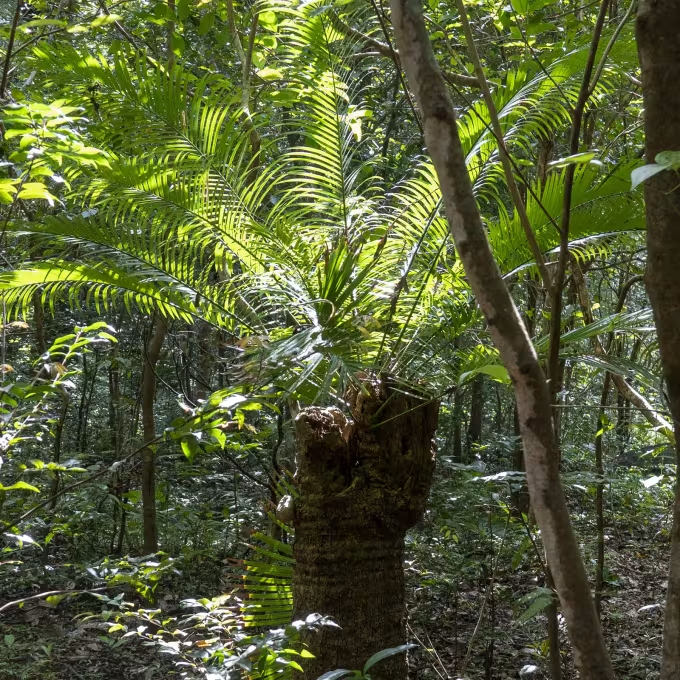
Description
Growing requirements
Cycas circinalis, commonly known as the Queen Sago, is a prominent member of the Cycadaceae family. It is a slow-growing, evergreen gymnosperm native to the tropical regions of southern India and Sri Lanka, primarily found in deciduous and evergreen forests.
Botanically, the plant features a sturdy, upright trunk that can grow significantly in its natural habitat. The crown consists of deep green, pinnate leaves arranged in a circular rosette, providing a distinct architectural form that is highly valued in ornamental horticulture.
The plant requires bright, filtered light to flourish. Exposure to intense afternoon sun can cause leaf scorch, while extreme shade leads to etiolation and a sparse crown. In commercial production, light intensity must be carefully regulated to maintain leaf quality.
Optimal growth conditions necessitate high temperatures and consistent warmth. The plant thrives in an environment where temperatures remain between 22 and 28 degrees Celsius, and it is intolerant of frost or freezing conditions, which cause irreversible damage to the tissues.
Soil composition is critical for this species. It demands a well-draining, slightly acidic substrate. A mixture comprising peat, perlite, and coarse bark is often used to ensure that water does not remain trapped around the fleshy, sensitive roots, preventing physiological distress.
Main diseases and pests
Root rot is the most significant threat to Cycas circinalis, often triggered by overwatering and poor soil aeration. Pathogenic fungi thrive in waterlogged conditions, systematically destroying the root system and causing the decline of the entire specimen.
Scale insects represent a major pest risk. These pests adhere to the stem and the undersides of the leaflets, extracting plant sap. Their presence often goes unnoticed until the plant shows signs of severe stress, such as yellowing leaves or stunted growth.
Mealybugs are another common adversary, clustering in the protected crevices of the crown. They can multiply rapidly, and the honeydew they secrete encourages the growth of sooty mold, which blocks the stomata and reduces photosynthetic efficiency.
Spider mites may become a problem in environments with low humidity. They thrive on the underside of the leaves, causing fine stippling and eventual browning. Regular misting and proper climate management are effective preventive measures against these infestations.
Nutritional imbalances can also result in leaf chlorosis. Ensuring a balanced fertilization schedule, particularly during the active growing season, is essential to maintain the dark green color and structural integrity of the foliage throughout the plant's life cycle.