
Cycas beddomei
Cycas beddomei
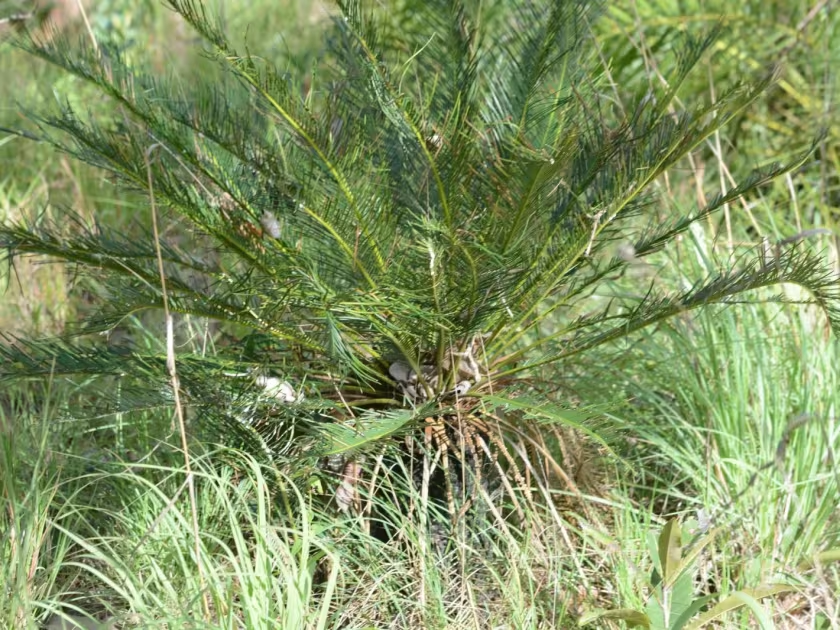
Description
Growing requirements
Cycas beddomei is a distinctive member of the Cycadaceae family, representing an ancient lineage of plants that dates back to the Mesozoic era. It is a highly specialized species adapted to harsh environmental conditions.
The plant is endemic to a very limited geographical area in the Seshachalam Hills of Andhra Pradesh, India. It thrives on rocky, steep slopes characterized by thin, well-drained soil layers.
Cultivation requires extreme attention to soil composition, which must be gritty and mineral-based. Organic matter should be kept to a minimum to prevent root rot and ensure proper aeration.
This species is exceptionally photophilous, requiring full sun exposure to maintain its compact, stiff, and silver-green foliage. It exhibits a very slow growth rate, common to most species in this genus.
Given its status as an endangered species listed under CITES Appendix I, international trade and propagation are heavily restricted, necessitating strict adherence to conservation protocols.
Main diseases and pests
Fungal pathogens represent the most significant threat to the plant under cultivation, especially when the drainage is insufficient or humidity levels remain high for extended periods.
Pests such as scale insects and mealybugs frequently colonize the leaflets. These infestations can severely stress the plant, leading to stunted growth and leaf chlorosis.
Illegal harvesting of specimens for the horticultural trade has historically been a major factor in the decline of wild populations, leading to severe habitat degradation.
In its native range, frequent forest fires pose a constant threat to the survival of juvenile plants, preventing them from reaching maturity and contributing to the seed bank.
Climate change and prolonged drought cycles in the Seshachalam region exacerbate the already precarious situation of existing fragmented populations in the wild.