
Cycas hybrids
Cycas hybrids
Description
Growing requirements
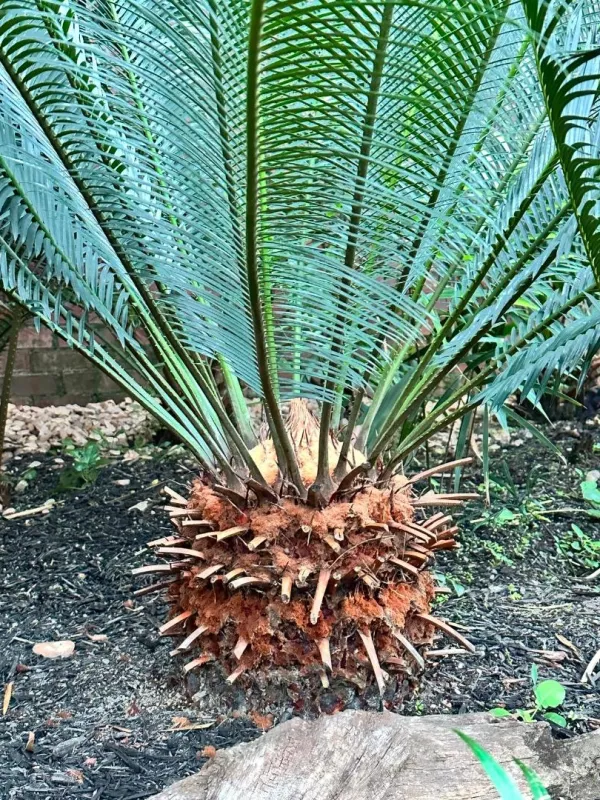
Cycas hybrids belong to the ancient family Cycadaceae. These plants are the result of selective hybridization between various species within the Cycas genus, valued for their prehistoric appearance and architectural form. Naturally, they originate from tropical and subtropical regions of Asia and Africa, where they have evolved to withstand diverse microclimates.
Agricultural requirements for Cycas hybrids focus heavily on light and drainage. They require bright, indirect light to maintain their deep green foliage and compact structure. Insufficient light exposure leads to elongated, weak leaflets, which significantly reduces the decorative and biological value of the plant.
The substrate must be highly porous and inorganic-leaning. A mixture consisting of coarse sand, perlite, and well-draining loam is ideal to mimic their natural rocky or sandy habitats. Proper container selection is vital, as these plants possess a fleshy taproot system that is extremely sensitive to waterlogging and subsequent root rot.
Temperature management is key to successful cultivation. While they appreciate warm conditions during the growing season, they require a distinct temperature drop during the winter months to enter dormancy. Maintaining a temperature range between 12°C and 15°C during the resting phase prevents the plant from attempting growth under low light conditions.
Watering frequency should be calibrated based on the ambient temperature and plant activity. During the active summer growth period, the substrate should be kept consistently moist but not saturated. Conversely, during the dormant season, water intake must be drastically reduced to ensure the roots remain healthy and free from fungal infections.
Main diseases and pests
Pest pressure on Cycas hybrids is primarily caused by scale insects, mealybugs, and spider mites. These pests thrive in dry indoor environments and can quickly cause yellowing or premature leaf drop. Frequent monitoring and the use of horticultural oils or systemic insecticides are standard procedures for effective control.
Fungal diseases, especially those affecting the caudex and root system, are the most serious threat to the longevity of Cycas hybrids. Overwatering or poor soil aeration creates an anaerobic environment where pathogens flourish. Cultivators must ensure the crown remains dry at all times to prevent crown rot, which is often fatal.