
Taitung cycad
Cycas taitungensis
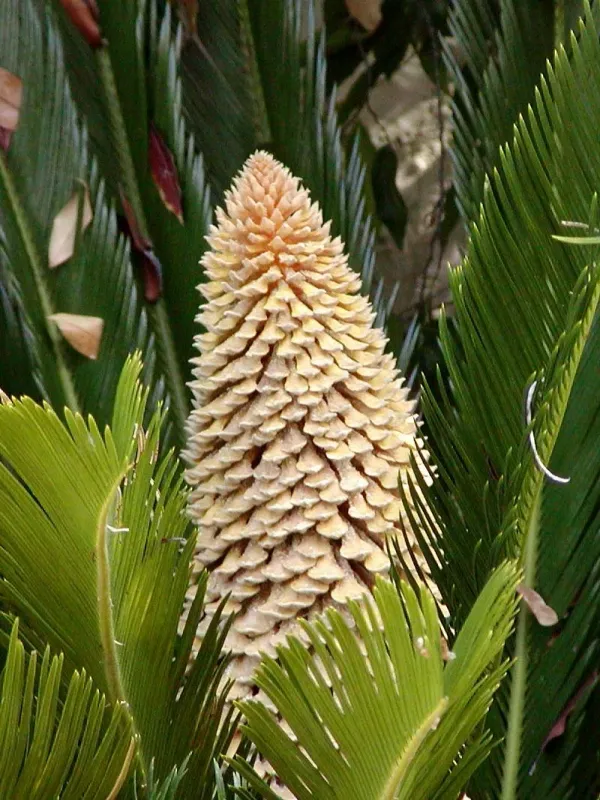
Description
Growing requirements
The Taitung cycad (Cycas taitungensis) is a prominent member of the Cycadaceae family, native to the eastern regions of Taiwan. As a slow-growing gymnosperm, it is highly regarded in horticulture for its sculptural appearance and architectural structure.
This species thrives in warm, subtropical climates with sufficient ambient humidity. It requires a location with bright, indirect sunlight, especially for juvenile plants, to prevent leaf scorch and ensure healthy development of the glossy foliage.
Optimal growth conditions involve a well-draining soil mix, typically consisting of sand, perlite, and a small amount of organic peat. Since the root system is highly sensitive to waterlogging, ensuring adequate drainage is the most critical factor in its successful cultivation.
Agronomic management requires balanced fertilization during the active growing season. Applying specialized slow-release fertilizers for palms or cycads helps maintain vibrant foliage and promotes regular flushes of new leaves annually.
In landscaping, this cycad is primarily used as a specimen plant, providing a tropical aesthetic to outdoor gardens or high-end greenhouse environments. Due to its slow growth rate, it remains a valuable investment for collectors and landscape architects.
Main diseases and pests
Scale insects are among the most persistent pests affecting Cycas taitungensis. These insects attach themselves to the underside of the leaflets, draining the sap and causing the plant to lose vigor over time if left untreated.
Root rot, often caused by Phytophthora or Pythium species, poses a significant threat to the plant's survival in overly damp substrates. This condition is difficult to reverse, making prevention through controlled irrigation essential.
Mealybugs are another common threat, often found hidden in the crown of the plant or at the base of the petioles. Regular visual inspections are recommended to catch these infestations before they spread across the entire leaf rosette.
Fungal leaf spot diseases may appear during periods of high humidity and poor ventilation. Keeping the foliage dry during irrigation and providing sufficient air circulation around the plant are primary preventive measures.
Effective management strategies involve a combination of horticultural hygiene and judicious use of pesticides. When choosing a treatment, ensure the chemical agents are safe for sensitive cycad tissue to avoid phytotoxicity.