
Cycas seemannii
Cycas seemannii
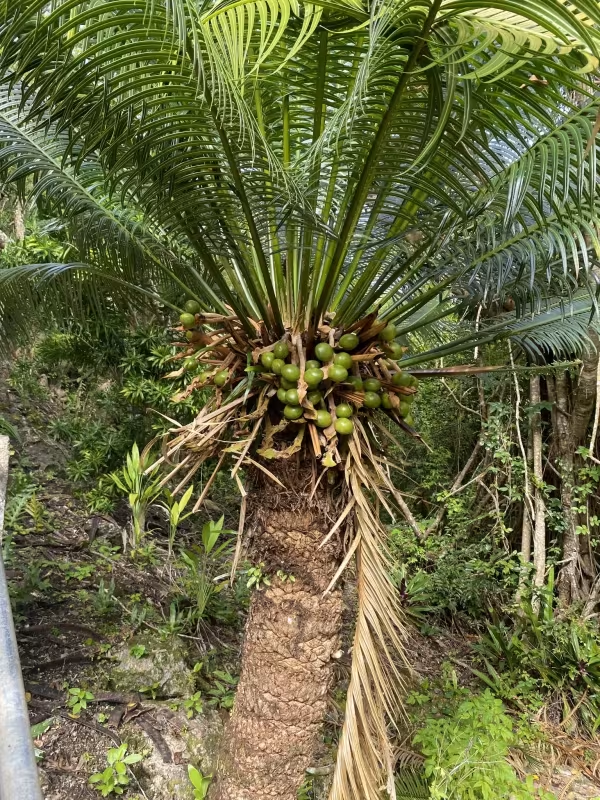
Description
Growing requirements
Cycas seemannii is a prominent species within the Cycadaceae family, known for its slow-growing, palm-like appearance and woody trunk. The plant develops large, pinnate leaves that are highly valued in ornamental horticulture for their aesthetic appeal.
The plant originates from the Fiji islands and surrounding regions in the Pacific. It naturally thrives in tropical environments, necessitating high humidity levels and warm conditions throughout the entire year.
In terms of light requirements, Cycas seemannii prefers bright, indirect sunlight. Intense, direct sun can scorch the foliage of younger specimens, whereas insufficient light leads to elongated and weak leaf growth.
Soil composition must prioritize drainage and aeration. A mixture containing coarse sand, perlite, and well-decomposed organic matter is recommended to prevent root hypoxia, which is a common issue in clay-heavy soils.
Agronomic practices involve cyclical irrigation. During the growing season, regular moisture is essential, but the substrate must be allowed to dry slightly between waterings to maintain healthy root respiration.
Main diseases and pests
Scale insects and mealybugs are the primary pests that affect Cycas seemannii. These insects tend to hide in the tight spaces between leaf bases, making manual removal difficult and often requiring systemic pesticide applications.
Root rot caused by Phytophthora or Pythium species is a major threat in poorly drained environments. If the soil remains saturated for extended periods, the root system begins to decay rapidly, causing irreversible damage to the trunk.
Fungal leaf spots can occur when air circulation is inadequate, especially in humid and stagnant conditions. Removing affected fronds and applying copper-based fungicides can help control the spread of infection.
Nutrient deficiencies, specifically regarding magnesium or iron, manifest as yellowing of the older leaves. Maintaining a balanced fertilization schedule is critical to ensuring the plant remains robust and resistant to diseases.
Maintaining proper hygiene in the growing area is the most effective strategy for pest management. Avoiding overhead watering and ensuring that the foliage stays relatively dry can significantly reduce the incidence of fungal pathogens.