
Sago palm
Cycas revoluta
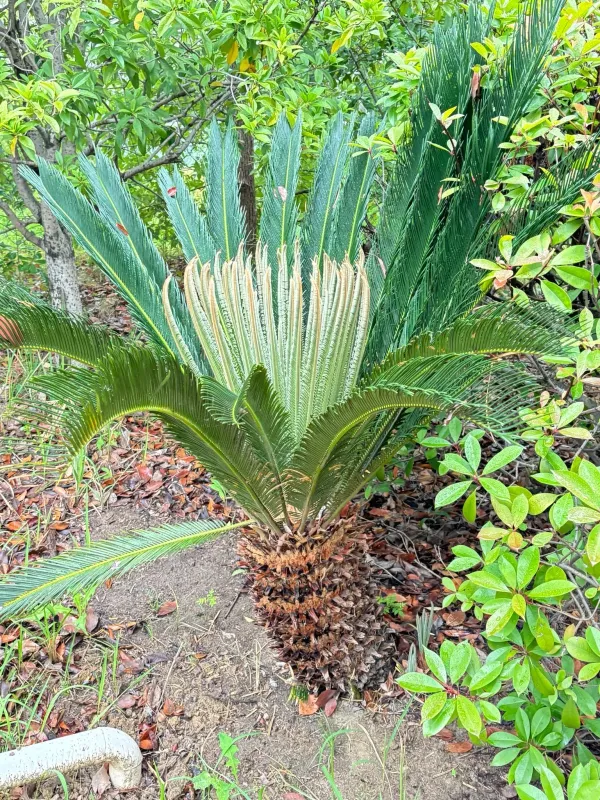
Description
Sowing dates
Propagation of the Sago palm is primarily achieved through seeds or by harvesting offshoots (pups) that develop at the base of the mature plant.
Seeds require a warm environment, ideally between 25 and 30 degrees Celsius, and a moist, well-draining medium to break dormancy effectively.
Offshoots are separated with a sharp, sterile tool during the spring repotting process, ensuring the cut surface is dried before being placed in a rooting medium.
The rooting phase for offshoots is slow and requires steady conditions, as the young plant lacks the energy reserves of a mature specimen.
Professional growers often use heat mats to accelerate the germination of seeds, as cold temperatures significantly inhibit the metabolic activity of the embryo.
Growing requirements
Cycas revoluta, a member of the Cycadaceae family, is a slow-growing gymnosperm that originates from southern Japan and requires specialized care.
The plant thrives in bright, indirect light; direct exposure to intense midday sun can cause severe scorching of the dark green, leathery leaflets.
A well-draining, slightly acidic soil mixture is critical, as the roots are highly susceptible to rot if allowed to sit in waterlogged conditions.
Temperature management is key: the Sago palm prefers warm summers but requires a cooler, dormant period during the winter to maintain overall vitality.
Watering should be approached with caution, allowing the top layer of the soil to dry out completely between sessions to ensure root health.
Main diseases and pests
Common pests affecting Sago palms include scale insects and mealybugs, which tend to cluster on the undersides of leaves and along the central stem.
Spider mites are a frequent concern in low-humidity environments, leading to stippling on the leaves and a general decline in the plant's appearance.
Root rot is the most common physiological threat, often caused by overwatering or the use of heavy, non-porous potting soil that traps excess moisture.
Prevention relies on good airflow and regular inspection, as these plants do not recover quickly from severe infestations or root damage.
- Systemic insecticide application for scale and mealybugs.
- Maintaining leaf hygiene by cleaning with water.
- Ensuring adequate pot drainage to prevent root fungal issues.