
Cycas petraea
Cycas petraea
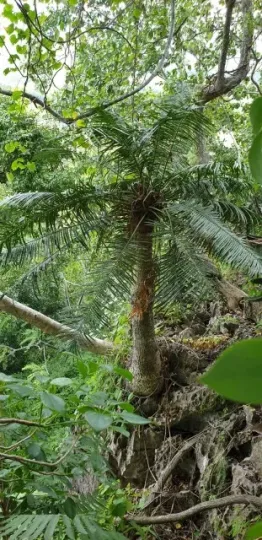
Description
Growing requirements
Cycas petraea is a distinct member of the Cycadaceae family, primarily native to limestone habitats in Thailand. It is a slow-growing gymnosperm known for its robust and adaptation to rocky, nutrient-poor environments.
The botanical structure of this plant features a compact, often subterranean stem and stiff, pinnate leaves. It is highly prized by collectors for its ability to thrive in challenging geological conditions, making it a unique ornamental species.
To cultivate Cycas petraea successfully, provide a very well-draining soil mix, typically consisting of crushed limestone, coarse sand, and a minimal amount of organic matter to mimic its natural cliff-dwelling habitat.
Climatic requirements involve bright, filtered light and warm temperatures. In an agricultural or greenhouse context, it is crucial to avoid extreme temperature drops and high humidity without proper air circulation.
The primary use of this crop is ornamental. Due to its rarity and slow development, it serves as a high-value specimen in botanical gardens and specialized private nurseries focused on rare cycad collections.
Main diseases and pests
The most significant threats to Cycas petraea are soil-borne pathogens, specifically root rot fungi that proliferate in stagnant, overly moist, or poorly aerated soil conditions.
Scale insects and mealybugs represent the primary pest threats. These pests tend to colonize the base of the leaflets, causing significant stress and potentially stunting the growth of new foliage.
- Monitor leaf undersides weekly for early signs of infestation.
- Use systemic insecticides specifically formulated for ornamental woody plants.
- Ensure adequate spacing between plants to prevent pest migration.
Nutrient deficiency can manifest as leaf discoloration. Maintaining a balanced fertilizer regimen, specifically tailored for slow-release nitrogen and micronutrients, is essential for health.
Cultural errors, such as overwatering, are the leading cause of plant decline. Always verify the dryness of the deeper soil layers before applying water to ensure the root system is not suffocated.