
Panzhihua cycad
Cycas panzhihuaensis
Description
Growing requirements
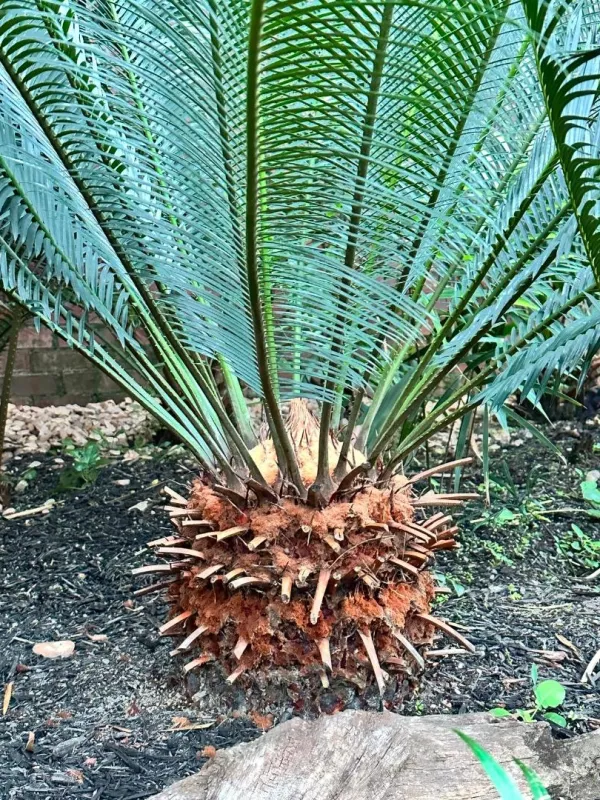
The Panzhihua cycad (Cycas panzhihuaensis) is a rare gymnosperm belonging to the Cycadaceae family. Native to the Jinsha River valley in Sichuan, China, this species is highly regarded for its botanical value and evolutionary significance.
Successful cultivation requires a well-draining substrate, preferably a mix of grit, sand, and organic matter. This species is sensitive to waterlogged conditions, making drainage the most critical factor for soil management.
One of the defining characteristics of this cycad is its exceptional cold tolerance. Unlike many tropical cycads, this species can survive temperatures as low as -10 degrees Celsius, which allows it to be grown in cooler temperate regions.
For optimal growth, these plants require full sun exposure. In natural habitats, they thrive on rocky slopes with high solar radiation, which helps in developing the characteristic compact and rigid structure of their fronds.
The Panzhihua cycad is primarily utilized as a premium ornamental plant in landscapes and botanical collections. Its slow growth rate and high demand among collectors make it a significant asset in the specialized nursery trade.
Main diseases and pests
Fungal root rot is the most serious threat to the Panzhihua cycad, usually caused by overwatering or poor soil drainage. If detected, the plant must be repotted into dry, sterile medium, and fungicides should be applied to the root zone.
Pests such as scale insects and mealybugs often hide between the leaflets or in the crown of the plant. Regular inspection and the use of insecticidal soap or systemic pesticides are effective in controlling these infestations.
Fungal leaf spot can occur during periods of high humidity and low air circulation. Maintaining good airflow around the crown and avoiding overhead watering is essential for preventing the spread of these pathogens.
Nutrient deficiencies, particularly involving magnesium or iron, may manifest as yellowing leaves. Using a balanced, slow-release fertilizer formulated for cycads is recommended to ensure consistent health and vigorous leaf development.
Environmental stress, such as extreme heat spikes or sudden drought, can lead to leaf yellowing and dormancy. Proper irrigation management during the growing season helps the plant maintain its natural resilience and aesthetic appeal.