
Cyathea
Cyathea Sm.
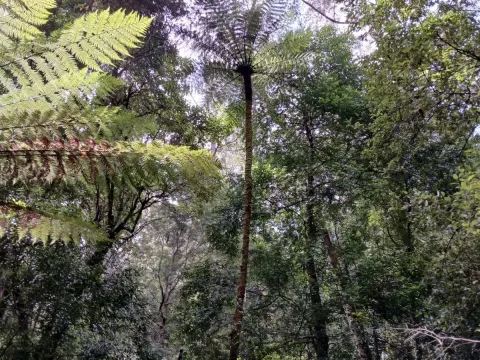
Cyathea is a genus of tree ferns belonging to the family Cyatheaceae, known for their majestic size and prehistoric appearance. These plants are native to tropical and subtropical regions worldwide, where they thrive in humid and shaded forest environments.
What the section contains


Cyathea
The cultivation of Cyathea requires a specialized environment that mimics its natural habitat. Key factors include high air humidity, typically maintained through automatic misting systems, and a consistent temperature range that prevents the plant from experiencing thermal shock.
Soil requirements for Cyathea involve a porous, well-drained, and nutrient-rich medium. An ideal mix incorporates peat moss, perlite, and decomposed wood chips to facilitate moisture retention while allowing excess water to drain away, preventing root asphyxiation.
Regarding light, Cyathea prefers bright, dappled light conditions. In glasshouse settings, it is essential to protect the fronds from intense direct sunlight, which can cause significant foliage damage and scorch the delicate structure of the plant.
In terms of economic utility, Cyathea is primarily an ornamental crop used in high-end landscaping, botanical gardens, and conservatory collections. Its striking architectural form makes it a focal point in indoor gardening designs and tropical landscape projects.
The most common pests affecting Cyathea are spider mites and scale insects. These pests often infest the fern when the humidity levels drop, stressing the plant and making it susceptible to rapid colonization by these unwanted organisms.
Root rot remains the most serious disease risk for the genus. This condition is almost always a result of poor drainage or overwatering, which creates anaerobic conditions within the root zone, leading to the rapid decay of the vascular tissue.
Fungal leaf spots can also occur if the humidity is paired with stagnant air. To prevent these infections, growers must ensure adequate airflow and avoid overhead watering late in the day, keeping the fronds dry overnight.
Integrated pest management is recommended for Cyathea, prioritizing biological controls and environmental optimization over heavy chemical applications. Using mild insecticidal soaps or horticultural oils is generally safer for the sensitive fronds.
Early detection of issues is crucial, as the slow growth rate of tree ferns means that recovery from disease or pest damage can take several growing seasons. Regular inspection of the plant's apical bud is a key management practice.