
Cyathea brownii
Cyathea brownii
Description
Growing requirements
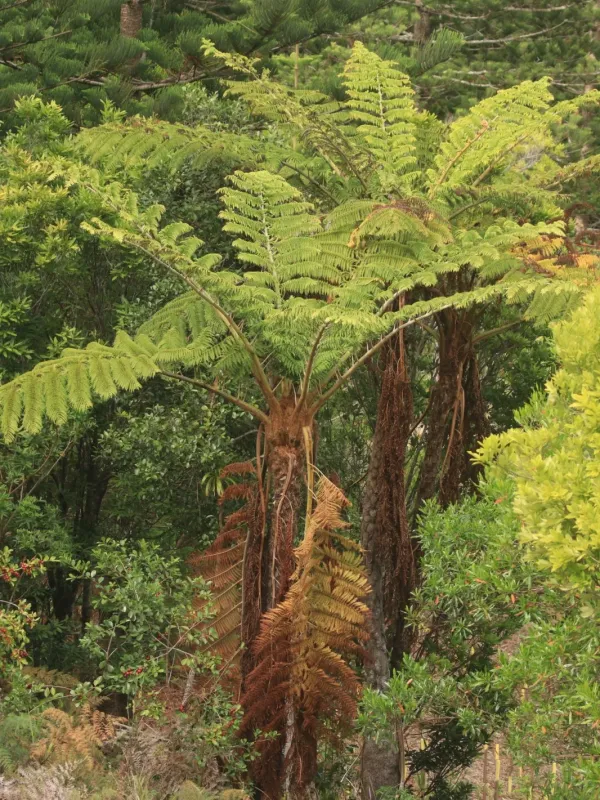
Cyathea brownii, commonly known as the Norfolk tree fern, is a robust species within the Cyatheaceae family. It is endemic to Norfolk Island, where it thrives in humid and mild environments, distinguishing itself as one of the largest tree ferns in the world.
The cultivation of this plant requires a precise balance of environmental factors, primarily high humidity levels and stable, moderate temperatures. It is sensitive to thermal extremes and drought, necessitating a sheltered location that mimics its native forest habitat.
Regarding soil requirements, this fern prefers a well-draining, nutrient-rich substrate, typically composed of peat, coarse bark, and leaf mold. Efficient aeration of the root zone is mandatory to ensure health and prevent stagnation in the potting mix.
The agrotechnical management of this plant involves consistent irrigation, focusing on maintaining moisture levels without waterlogging the crown. During the growth season, supplemental organic fertilizers can be provided to support the massive structure of the fern.
In terms of usage, Cyathea brownii serves primarily as an ornamental specimen in conservatories and botanical gardens. Due to its impressive size and architectural silhouette, it acts as a focal point in landscapes where climate conditions are suitable for its development.
Main diseases and pests
Common pests include spider mites and mealybugs, which thrive in low-humidity environments. Regular inspection and maintaining high atmospheric moisture are the primary preventive measures against these infestations in indoor cultivation.
Pathogenic threats generally involve fungal infections of the root system, often resulting from overwatering or poor drainage. Maintaining a strict sanitation regime and avoiding water accumulation in the growing tip are essential for the long-term survival of the specimen.