
Cyathea cooperi
Cyathea cooperi (Hook. ex F. Muell.) Domin
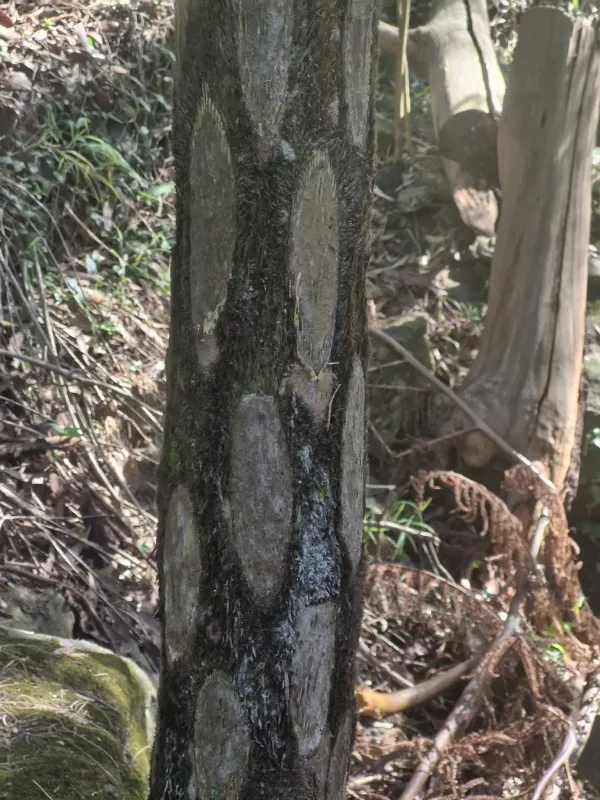
Description
Growing requirements
Cyathea cooperi is a majestic tree fern belonging to the family Cyatheaceae. Native to the tropical and subtropical regions of Australia, this species is highly valued for its tall, slender trunk and large, arching fronds that create an exotic landscape aesthetic.
The cultural requirements for this fern are quite specific, focusing on consistent temperatures between 18°C and 25°C. As a tropical plant, it does not tolerate frost, making it suitable primarily for climate-controlled greenhouses or interior landscapes in temperate regions.
The ideal soil substrate for Cyathea cooperi should be moisture-retentive, well-draining, and rich in organic matter. A mixture consisting of peat moss, pine bark, and perlite provides the necessary aeration for root development and prevents compaction.
Lighting management is essential for long-term health; the plant requires bright, filtered light to prevent leaf scorching. In professional greenhouse settings, shade cloths are typically used to regulate the light intensity during the intense growth phase.
Watering must be frequent and consistent to maintain high humidity levels around the foliage. The use of misting systems or automatic foggers is recommended to replicate the humid natural habitat of the forest floor, ensuring that the plant remains vigorous.
Main diseases and pests
Scale insects are among the most common pests affecting this culture, especially when plants are grown in confined environments. These pests settle on the stalks and fronds, extracting sap and weakening the plant's structural integrity.
Spider mites represent a significant threat to Cyathea cooperi during periods of low humidity. These microscopic arachnids cause yellowing and necrosis of the leaflets, eventually leading to premature senescence of the fronds.
Root rot is a pervasive disease caused by improper drainage or over-irrigation. Once the root system is compromised by anaerobic bacteria or fungi, the entire trunk system can quickly collapse, making it difficult to recover the specimen.
Leaf spot diseases, often fungal in nature, can proliferate if the foliage stays wet for extended periods in poorly ventilated conditions. Ensuring adequate horizontal airflow is a key strategy in mitigating these types of infections.
Integrated Pest Management (IPM) protocols, including the application of horticultural oils for mites and targeted systemic fungicides for fungal pathogens, are crucial for maintaining the commercial quality of this fern species.