
Giant dodder
Cuscuta reflexa Roxb.
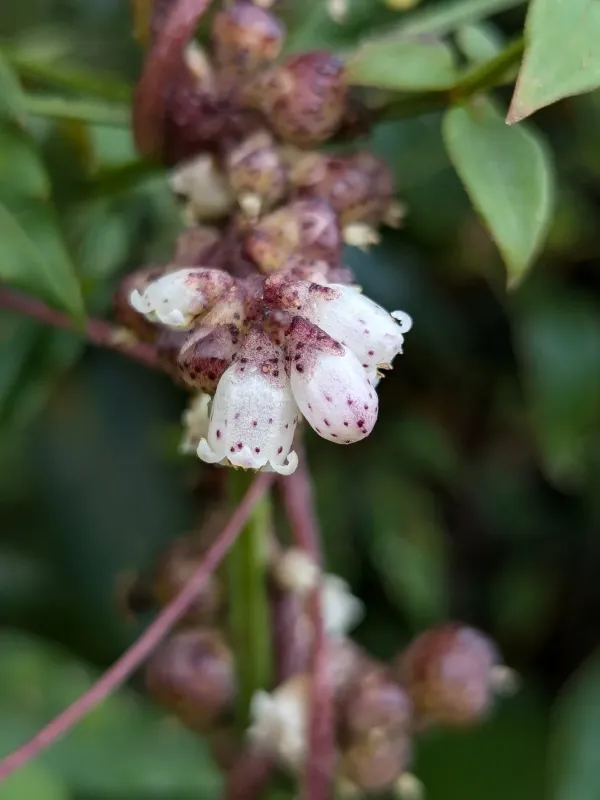
Description
Growing requirements
Cuscuta reflexa, commonly known as giant dodder, is a parasitic plant belonging to the Convolvulaceae family, lacking roots and chlorophyll completely.
Originating from Southeast Asia, this species exhibits a wide distribution range, thriving in various environments by attaching itself to woody and herbaceous host plants.
The plant grows best in humid and warm climates, which allow it to maintain high metabolic rates while extracting nutrients from its unfortunate host organism.
Morphologically, it consists of a tangle of yellow-to-green succulent stems that utilize haustoria to pierce the stem of the host plant to absorb water and assimilates.
Because it is a severe agricultural pest rather than a crop, its presence is detrimental to biodiversity and food production, requiring strict regulatory oversight to prevent its spread.
Main diseases and pests
Giant dodder poses a significant threat to global agriculture by debilitating host plants, reducing crop yields, and potentially killing entire fields of susceptible species.
The plant is notoriously difficult to eradicate once it establishes a foothold because it can regenerate from small stem fragments left behind after manual clearing.
It acts as a mechanical vector for various plant viruses, causing widespread outbreaks of mosaic and yellows diseases across various types of plantation crops.
Control strategies emphasize prevention through rigorous inspection of seeds and agricultural machinery, combined with the immediate destruction of detected infestation patches.
Chemical control involving pre-emergent or systemic herbicides may be utilized in severe cases, but integrated management remains the most sustainable approach to handling this invasive threat.