
Smooth rattlebox
Crotalaria pallida Aiton
Description
Sowing dates
Crotalaria pallida is a tropical crop that requires warm soil temperatures to germinate effectively, making it unsuitable for early spring sowing in cooler regions.
The ideal time for planting is the beginning of the rainy season, which provides the necessary moisture for the rapid establishment of the root system.
It is recommended to scarify the seeds before sowing to break their dormancy and ensure a uniform germination rate across the field.
The seeding rate should be carefully calculated based on the intended use; denser sowing is preferred when growing for maximum biomass production.
Seeds should be placed at a depth of 2 to 4 centimeters, ensuring they are well-covered with soil but not buried too deeply to impede sprout growth.
Growing requirements
As a member of the Fabaceae family, this crop is highly regarded for its ability to thrive in poor, acidic, and nutrient-depleted soil conditions.
Smooth rattlebox requires full sunlight exposure and is not recommended for intercropping if the primary crop is expected to provide significant shade.
The species exhibits impressive drought tolerance once established, though it responds vigorously to consistent rainfall or supplementary irrigation.
Well-drained soil is essential, as the plant is sensitive to waterlogging and can quickly develop root rot if subjected to standing water.
Through its symbiotic relationship with rhizobia, it fixes atmospheric nitrogen, significantly contributing to the long-term fertility of the agricultural land.
Main diseases and pests
Plant-parasitic nematodes represent the most significant threat to Crotalaria pallida, often causing stunted growth and poor biomass yield in infested areas.
Fungal diseases like anthracnose can become a problem in high-humidity environments, necessitating good field hygiene and adequate plant spacing.
Seed-feeding insects are frequent pests that can reduce seed viability, requiring targeted monitoring during the reproductive stage of the plant.
Integrated pest management strategies, including crop rotation with non-host species, are highly recommended to minimize the reliance on synthetic chemicals.
Ensuring proper airflow between plants is a simple but effective cultural practice to mitigate the spread of airborne fungal spores.
Harvesting
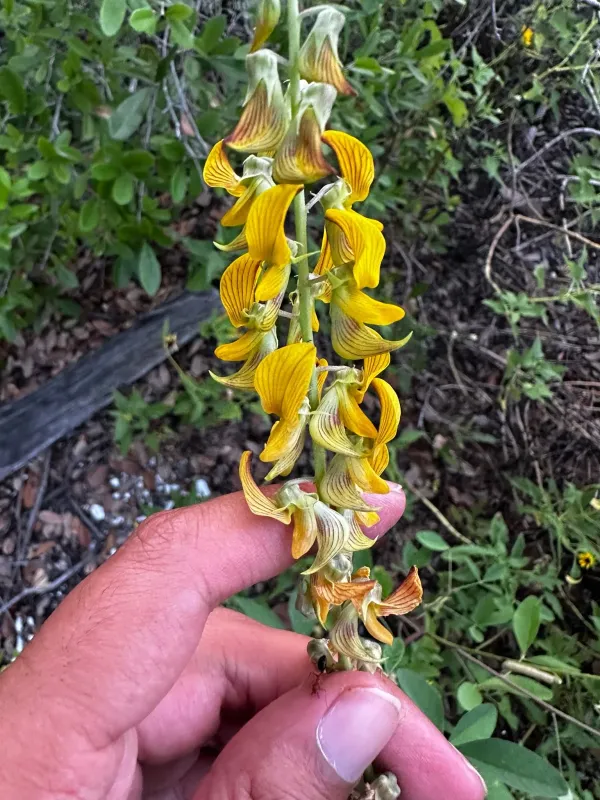
The biomass should be harvested for green manure during the onset of flowering, as this stage offers the best balance of nitrogen content and decomposability.
Seed harvesting should be performed when the pods turn dark and dry, taking care to prevent natural dehiscence and seed loss in the field.
Mechanical harvesting equipment should be calibrated to handle the height and fibrous nature of the Crotalaria stems to avoid machine clogging.
Incorporating the biomass into the topsoil shortly after cutting ensures maximum nutrient recycling and improves the physical properties of the soil.
Seeds must be stored in cool, dry conditions with adequate ventilation to maintain viability for future sowing seasons.