
Crotalaria grahamiana
Crotalaria grahamiana Wight & Arn.
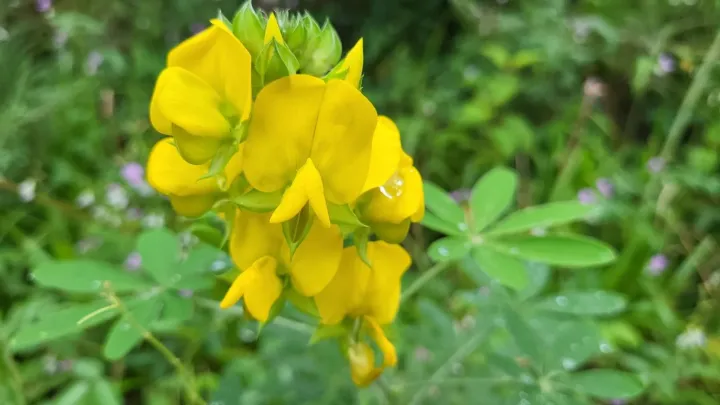
Description
Sowing dates
Crotalaria grahamiana is a perennial shrub belonging to the Fabaceae family. It is extensively utilized in tropical and subtropical regions for green manure production, soil conservation, and biomass accumulation.
The sowing process begins when the soil temperature consistently stays above 20°C. In tropical zones, this usually coincides with the start of the rainy season to ensure optimal moisture levels for germination and early vegetative development.
Spacing is a critical factor for Crotalaria cultivation. Planting in rows at 50–60 cm intervals provides adequate room for the plant to branch out, resulting in a significantly higher yield of organic matter per hectare.
Seed treatment, specifically scarification, is highly recommended to overcome seed coat dormancy. Proper preparation ensures uniform emergence across the field, which is essential for consistent crop maintenance.
Seeds should be planted at a depth of approximately 2-3 cm. Proper seedbed preparation is necessary to allow the roots to penetrate deeper into the soil profile during the initial growth stages.
Growing requirements
Crotalaria grahamiana thrives in well-drained loamy soils. While it exhibits tolerance to low-fertility soils, it requires a balanced nutrient profile to reach its full potential for biomass production.
This species is a heliophilous plant, meaning it requires full sun exposure for optimal growth. Shaded environments inhibit its development, leading to spindly stems and reduced nodulation on the roots.
Climatic requirements focus on warmth and consistent moisture. While mature plants show reasonable drought tolerance, young plants need frequent irrigation to establish a strong root system during the first month.
The plant performs best in neutral to slightly acidic soils. Alkaline conditions can cause nutrient deficiencies, particularly in micro-elements like iron, leading to chlorosis and stunted vegetative growth.
As a nitrogen-fixing legume, it works efficiently in symbiosis with native soil rhizobia, reducing the need for synthetic nitrogen fertilizers in subsequent crop cycles within a rotation system.
Main diseases and pests
The primary threats include fungal diseases such as root rot and wilt, which are typically triggered by poor drainage or prolonged waterlogging. These conditions create an environment conducive to pathogen development.
Pest populations, including aphids and leaf-eating caterpillars, can impact the foliage. Severe infestations can reduce the plant's capacity to accumulate biomass, effectively lowering its value as a green manure source.
Nematode infestations are a concern in light, sandy soils. Implementing a strict crop rotation cycle is the most effective management strategy to keep nematode populations below the economic injury level.
Integrated Pest Management (IPM) practices are encouraged to control pests without harming the beneficial soil microorganisms that facilitate the nitrogen-fixing process.
Regular field inspections are crucial for early detection of viral or bacterial symptoms, which can spread rapidly in high-density plantings if not managed promptly.