
Crotalaria lanceolata
Crotalaria lanceolata E. Mey.
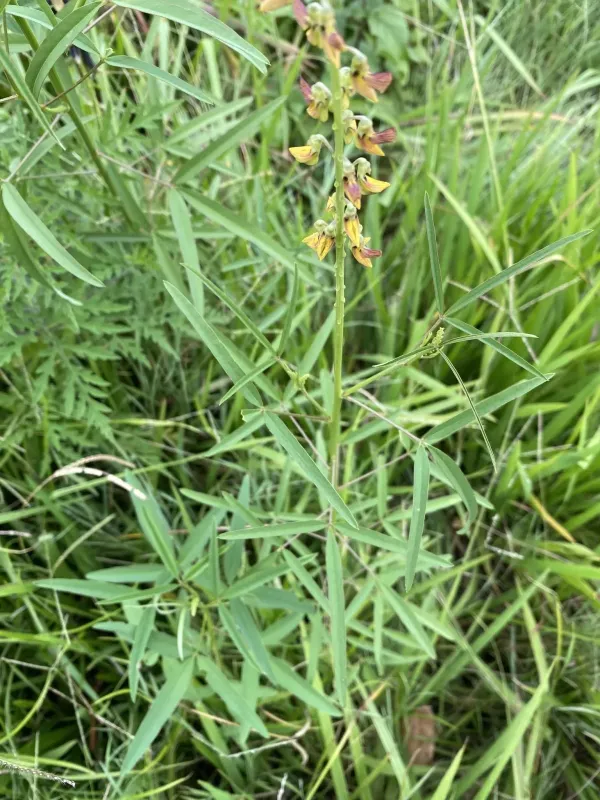
Description
Sowing dates
Crotalaria lanceolata is typically sown during the warm season, as it thrives in high temperatures and is highly sensitive to frost. Ideal planting times are in late spring once the soil has warmed up thoroughly.
The seeding rate usually ranges from 15 to 25 kilograms per hectare, depending on the planting method used. Seeds should be sown at a shallow depth of 2–3 cm to ensure uniform germination.
Good soil contact is essential for successful establishment, so light rolling after seeding is often recommended to improve moisture retention.
The crop is known for its vigorous early growth, which helps in suppressing weeds during the early developmental stages, reducing the need for intensive weeding.
If the goal is seed production, sowing should occur as early as the climate permits to allow sufficient time for full seed maturation before the onset of autumn cooling.
Growing requirements
Belonging to the Fabaceae family, this species is highly valued for its symbiotic nitrogen fixation capabilities. It performs best in well-drained sandy or loamy soils but shows good adaptability to various soil types.
The plant requires plenty of sunlight for optimal development. It is notably intolerant of waterlogged conditions, which can lead to root system decay and poor plant vigor.
Crotalaria lanceolata is remarkably drought-tolerant once established, thanks to its deep root system. It prefers a pH range between 5.5 and 7.0 for the best nutrient uptake.
As a tropical and subtropical plant, it performs as a summer annual in temperate regions, requiring a frost-free period to complete its lifecycle.
It does not require high levels of synthetic nitrogen fertilizers because it forms associations with nitrogen-fixing bacteria, contributing to soil health.
Yield
The primary use of Crotalaria lanceolata in agriculture is as a green manure crop. It produces substantial biomass that adds valuable organic matter to the soil when incorporated.
Incorporating the green biomass significantly improves soil structure and fertility, benefiting subsequent crops in the rotation through nitrogen release and moisture retention.
A key agronomic feature of this plant is its ability to reduce populations of harmful soil-borne nematodes, acting as a natural phytosanitary tool in vegetable production.
While the plant can be used as fodder in specific cases, its alkaloid content requires careful management. It is generally prioritized for soil improvement rather than livestock grazing.
The yield of biomass is high under favorable conditions, making it a cost-effective choice for sustainable farmers looking to restore soil quality naturally.
Main diseases and pests
The crop is primarily susceptible to lepidopteran larvae, which can defoliate the plants during peak growth. Integrated pest management should be used to minimize damage.
Fungal root diseases are the most significant threats, especially in heavy or poorly drained soils. Avoiding over-irrigation is the best preventative strategy.
Leaf spot diseases may occur under conditions of high humidity and poor air circulation. Providing sufficient spacing between rows can help mitigate these risks.
Because the plant contains specific defensive compounds, it is less attractive to a wide array of generalist insects, offering a measure of natural protection.
Field scouting during the flowering period is crucial for identifying any pest or disease outbreaks before they cause significant economic loss.
Harvesting
Harvesting for green manure purposes should be performed at the early flowering stage. This timing maximizes the nitrogen concentration in the plant tissues.
After mowing, the plant material should be chopped and incorporated into the top 10–15 cm of the soil to facilitate rapid decomposition and nutrient release.
For seed collection, harvesting should occur once the pods turn dark and dry. Careful handling is required because the pods are prone to shattering and seed loss.
Cleaned seeds must be dried to a low moisture content and stored in a cool, dry place to maintain high germination rates for future planting cycles.
Post-harvest residues can be used as mulch or added to compost piles to further enhance the organic content of the farm soil.