
Crotalaria micans
Crotalaria micans Link
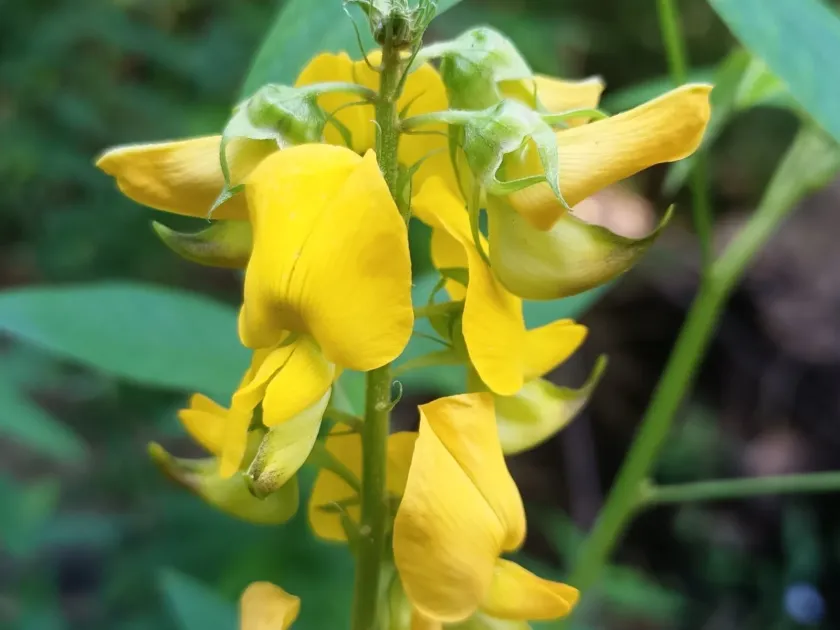
Description
Sowing dates
Crotalaria micans is typically sown in the spring or early summer when the soil is sufficiently warm. The seeds should be planted once the risk of frost has passed, as the plant is highly sensitive to low temperatures.
The optimal planting depth is 2–3 centimeters, depending on the soil structure. To ensure uniform emergence, it is necessary to keep the top layer of soil moist during the first two weeks after planting.
The spacing between rows depends on the purpose of cultivation, but drill seeding is the most common method. The plant has high germination energy and quickly covers the soil, effectively suppressing weed growth.
Scarification of the seeds is recommended before sowing due to their tough seed coat, which significantly improves the germination rate and reduces the waiting time for emergence.
The seeding rate is determined by seed quality and soil condition, usually ranging from 15 to 25 kg per hectare for broadcast or drill planting.
Growing requirements
Crotalaria micans is a warm-season perennial of the Fabaceae family, often grown as an annual crop in agricultural systems. It originates from tropical regions of South America and requires significant heat for optimal growth.
The crop prefers well-drained soils with a neutral or slightly acidic pH. It can tolerate short periods of drought, but productivity is significantly higher with moderate soil moisture.
The plant has a high capacity for nitrogen fixation through symbiosis with nodule bacteria. This allows the crop to thrive on nitrogen-poor soils, naturally enriching them with organic matter.
It requires open, sunny locations, as shading causes the stems to become leggy and reduces total biomass production. In regions with short growing seasons, early-maturing varieties should be selected.
The optimal temperature range for growth is 20–30 degrees Celsius. Vegetative growth slows significantly below 10 degrees Celsius, which must be considered when scheduling agricultural activities.
Yield
The green biomass yield of Crotalaria micans can reach 30–50 tons per hectare depending on soil fertility and management practices. Its high nitrogen content makes it one of the best sources of green manure.
For green manure, the crop is typically mowed during the peak flowering phase, when nutrient concentration in the biomass is at its highest, promoting maximum organic matter accumulation in the soil profile.
When grown for seeds, yields can range from 800 to 1200 kg per hectare. Timely harvesting is crucial to prevent pod shattering and field grain losses.
Total productivity depends on the frequency of mowing if climatic conditions permit multiple growth cycles per season. In intensive agriculture, it is valued for its rapid biomass accumulation.
To assess yield potential, farmers are encouraged to conduct field trials on their specific plots, taking into account varietal differences and soil composition.
Main diseases and pests
The main threats to this crop are root rot diseases, which occur in waterlogged soils. Stagnant water promotes the development of pathogenic fungi that can devastate crops during early stages.
Among pests, leaf-eating insects and aphids pose the greatest risk to young shoots. Regular monitoring of the fields is essential to detect and treat infestations at an early stage.
Nematodes can also attack the root system, reducing the plant's ability to fix nitrogen. Crop rotation is the most effective method for preventing these types of diseases.
During dry periods, spider mite infestations may occur, leading to premature yellowing of leaves. Proper crop management practices help minimize these risks and ensure crop health.
The use of resistant varieties and treated seed material significantly reduces the need for chemical pesticides throughout the growing season.
Harvesting
Harvesting for green manure involves shredding the biomass and incorporating it into the soil. This is a critical stage in preparing the field for the subsequent crop in the rotation.
When harvesting for seeds, plants are cut when the pods turn brown and the seeds become hard. Combine harvesters must be adjusted to the correct drum speed to prevent seed damage.
After harvesting, seeds must be cleaned of impurities and dried to a moisture content of 12–14%. Storage should be in dry, well-ventilated areas to maintain seed viability.
Residual plant material after seed harvest can be used as organic fertilizer in compost piles or for mulching, ensuring efficient use of the entire plant biomass.
Harvest timing is critical: early harvest results in low viability, while delayed harvest leads to significant losses due to self-seeding caused by pod shattering.