
Crotalaria ochroleuca
Crotalaria ochroleuca G. Don
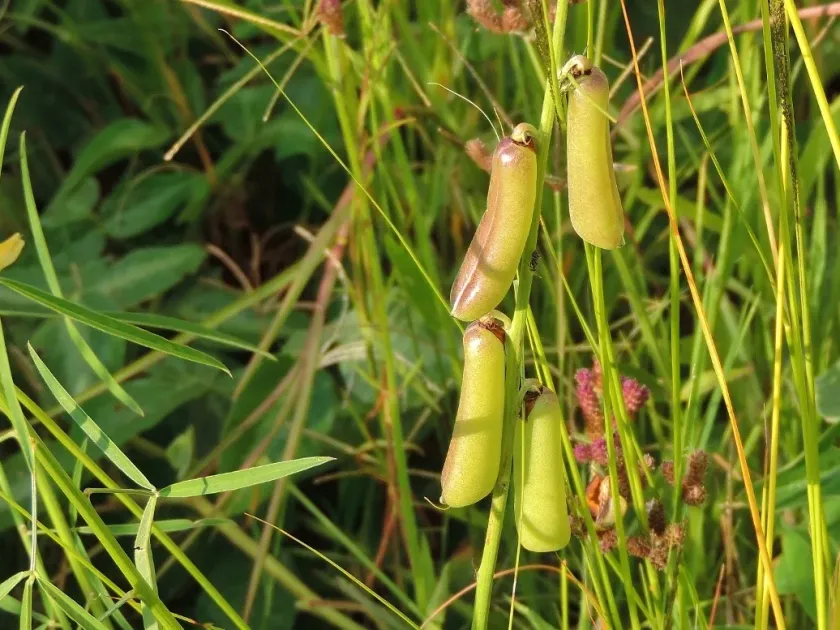
Description
Sowing dates
Crotalaria ochroleuca is a heat-loving crop, so planting should be scheduled only after the soil has warmed up and stable temperatures are established.
In tropical regions, the optimal sowing period coincides with the onset of the rainy season to ensure uniform germination without the need for additional irrigation.
The seeding rate varies depending on the intended use; higher densities are used for biomass production, while lower densities are preferred for seed harvest.
Seeds are typically sown at a depth of 2 to 3 centimeters, allowing seedlings to emerge quickly and establish their root systems during the early growth stages.
Spacing between rows should be managed carefully to ensure adequate air circulation, which prevents the development of fungal diseases in the early phases of growth.
Growing requirements
Belonging to the Fabaceae family, this crop is highly valued for its ability to thrive in diverse soil types, including degraded and acidic soils.
While it demonstrates notable drought tolerance, it performs best when provided with moderate moisture levels during its peak vegetative growth phase.
The plant is extremely photophilous, requiring full exposure to sunlight to achieve its maximum biomass potential and avoid etiolation.
Optimal growth temperatures range from 20 to 30 degrees Celsius; temperatures below 10 degrees significantly stunt the plant's development and metabolism.
It acts as an efficient nitrogen fixer through symbiotic relationships with rhizobia, naturally enriching the soil and reducing the need for chemical fertilizers.
Yield
The primary agricultural objective for Crotalaria ochroleuca is the production of significant green manure biomass to revitalize soil health.
Biomass yields can reach 20–30 tons per hectare, providing a substantial amount of organic matter that improves both the structure and fertility of the field.
Besides soil improvement, the crop is widely recognized for its suppressive effect on soil-borne nematodes, acting as a natural phytosanitary tool.
Seed production yields generally vary between 500 and 1,200 kilograms per hectare depending on the soil fertility and regional management practices.
Its fast growth rate allows it to outcompete most weeds, serving as a biological weed management strategy in sustainable crop rotation systems.
Main diseases and pests
Fungal diseases represent the most significant threat to this crop, particularly under conditions of high humidity or poor soil drainage.
Insect pests, such as lepidopteran larvae, can cause damage by feeding on the foliage and reproductive structures, thereby reducing overall crop vigor.
Root rot issues may arise if the crop is planted repeatedly on the same plot, highlighting the importance of following a strict multi-year crop rotation.
Aphid populations can also settle on young shoots, extracting plant sap and potentially transmitting various viral diseases across the field.
Effective management includes seed treatment, monitoring for early signs of infestation, and maintaining balanced soil moisture levels to mitigate stress.
Harvesting
For green manure applications, the crop should be harvested during the early flowering stage when nutrient concentration in the tissues is at its peak.
The biomass is typically chopped and incorporated into the top 10–15 centimeters of soil to facilitate rapid decomposition and nutrient release.
If grown for seed production, harvest should be timed when the pods turn brown but before they begin to shatter and drop seeds prematurely.
Mechanical harvesting of seeds requires precision to minimize losses; a two-stage approach involving windrowing followed by threshing is often recommended.
Post-harvest, seeds must be thoroughly dried to a moisture content of 12–14 percent to ensure long-term viability and prevent fungal degradation in storage.