
Scarlet leather flower
Clematis texensis Buckley
Description
Sowing dates
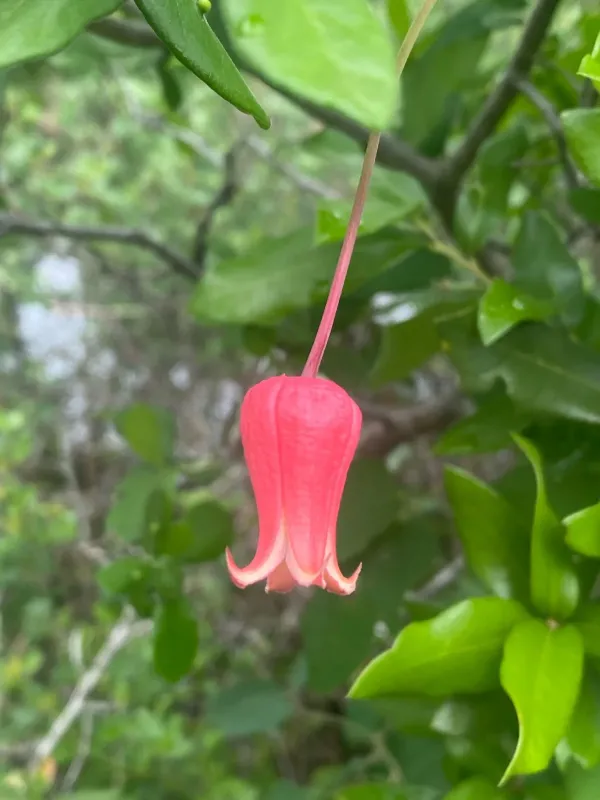
The Scarlet leather flower (Clematis texensis) is a perennial vine belonging to the Ranunculaceae family. It is valued for its unique bell-shaped, thick-petaled flowers, which distinguish it from typical large-flowered clematis varieties.
Propagation is typically achieved through seeds, which require stratification to break dormancy. Sowing in late autumn allows seeds to experience winter temperatures, significantly improving germination rates in the spring.
Softwood cuttings can also be taken during early summer for vegetative propagation. Each cutting should have at least two leaf nodes and be kept in a high-humidity environment until roots are fully developed.
When selecting a site, it is crucial to consider the native habitat of this plant, which is typically open, sunny areas. The soil must be loose and enriched with organic matter to support vigorous growth.
For container-grown seedlings, ensure that the pot is large enough to allow for root expansion before transplanting to the final location in the garden. Early spring is the best time for such transplants.
Growing requirements
This species thrives in locations with full sun exposure. While it prefers heat, the root zone should remain cool, which can be achieved through mulch or by planting low-growing companions near its base.
The soil requirement includes excellent drainage to prevent crown rot. Adding compost or well-rotted manure during the planting process provides the necessary nutrients for long-term health and flower production.
Watering needs are moderate; once established, the plant shows some drought tolerance. However, consistent moisture during the blooming season is essential to maintain the vibrant color and shape of the flowers.
Pruning is vital for Clematis texensis, as it blooms on new growth. Gardeners should cut back the stems nearly to the ground in late winter or early spring to encourage fresh, healthy shoots.
Providing structural support is necessary for this climbing plant. Trellises, fences, or stone walls serve as excellent supports, allowing the vines to reach their full vertical potential throughout the season.
Main diseases and pests
Wilt, a fungal disease, is the most severe threat to the health of the plant. It causes sudden collapse of stems, and immediate removal of infected areas is necessary to prevent further spread.
Powdery mildew may occur if airflow is poor and humidity levels remain high for extended periods. Pruning for better air circulation and avoiding overhead watering are effective preventive measures.
Aphids often colonize the succulent tips of new growth, causing leaf curling and stunted stems. Using insecticidal soaps or neem oil is a recommended organic method to manage these populations.
Spider mites are a common pest during hot and dry spells. These microscopic pests feed on the underside of leaves, causing them to yellow and drop prematurely if not treated with water sprays or miticides.
Slugs and snails can severely damage young vines. Monitoring the area during moist spring weather and implementing manual removal or barriers protects the plant from significant foliage loss.