
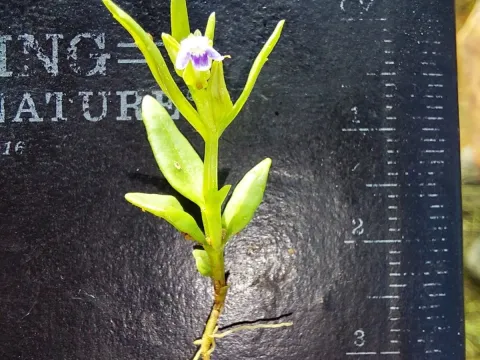
Crepidorhopalon
Crepidorhopalon
Crepidorhopalon is a genus within the Linderniaceae family, characterized by specific physiological requirements that dictate its cultivation cycle.
What the section contains


Crepidorhopalon
Sowing should be timed to avoid frost and temperature extremes, ensuring a steady, warm climate that supports the initial germination phase of the seeds.
Given the tiny seed size, the sowing process must involve shallow placement on a high-quality, moist, and well-structured growing medium.
Optimal sowing density is crucial to ensure that seedlings have sufficient space for root development, reducing competition for nutrients.
Practitioners often use nursery trays in controlled environments to manage the delicate transition from germination to establishment of the seedlings.
The culture thrives in well-drained, nutrient-rich soils that maintain a pH balance conducive to the uptake of essential micronutrients.
Regular irrigation is vital, as the moisture level in the substrate must be kept consistently high without reaching the saturation point that causes root asphyxiation.
Regarding climate, Crepidorhopalon requires moderate temperatures and protection from harsh, direct sunlight to maintain the integrity of its leaves.
Good ventilation is a key requirement for the success of this crop, as it helps regulate transpiration and prevents the build-up of excess humidity.
Agricultural management should include regular monitoring of soil salinity and nutrient availability to optimize the development of the plant biomass.
The primary threats to this crop involve various fungal pathogens that flourish in environments with poor air circulation and excessive moisture.
Root rot and damping-off are significant issues that can devastate young seedlings if the drainage system is not properly managed or if overwatering occurs.
Pests such as spider mites and aphids are frequently observed and can cause significant damage to the plant if not detected and treated early.
Integrated Pest Management (IPM) strategies are highly recommended to mitigate damage while minimizing the reliance on heavy chemical interventions.
Maintaining high sanitary standards in the growing area, including regular removal of debris and sterilization of equipment, significantly reduces the disease pressure.