
Crepidorhopalon spicatus
Crepidorhopalon spicatus
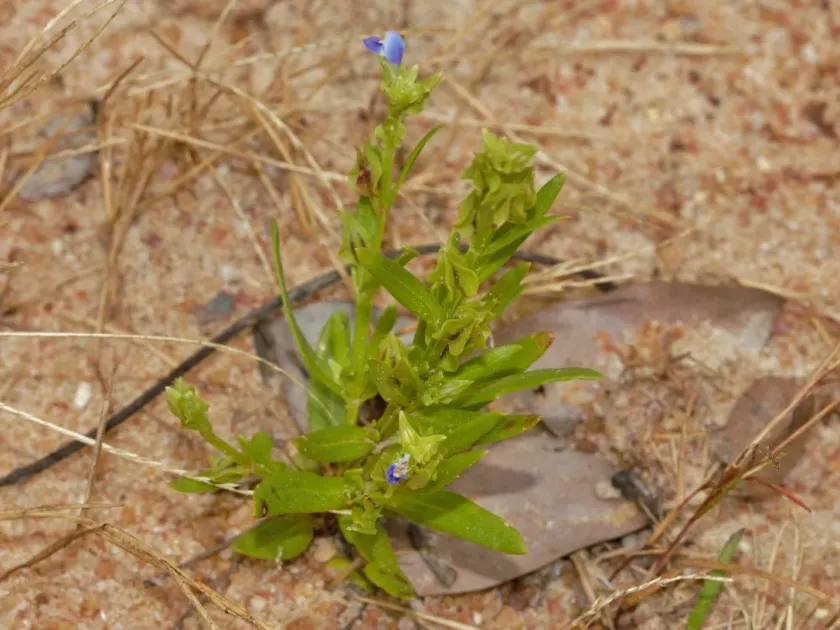
Description
Growing requirements
Crepidorhopalon spicatus is a herbaceous plant belonging to the Linderniaceae family. It is native to specific tropical regions, primarily documented in African ecosystems characterized by high soil moisture levels.
The plant demonstrates high adaptability to saturated soils, thriving in environments that are frequently inundated. This hydrological preference is the defining factor in determining its primary habitat and cultivation strategy.
Optimal growth conditions include consistent tropical temperatures, typically ranging between 22°C and 30°C. The species is highly sensitive to cold, necessitating climate-controlled environments for successful agricultural production outside its native range.
Soil requirements focus on high water retention capacity and rich organic content. Unlike many standard crops, it does not require significant drainage, as it is well-suited to conditions where oxygen levels in the substrate may be naturally lower.
Morphologically, the plant is identified by its spike-like inflorescences, from which its specific epithet spicatus is derived. The vegetative growth is characterized by an upright stem structure that requires sufficient spacing to maximize photosynthetic efficiency.
Main diseases and pests
The primary threats to Crepidorhopalon spicatus include fungal pathogens that exploit high-humidity environments. Damp conditions, while beneficial for growth, can facilitate the rapid spread of damping-off diseases if ventilation is poor.
Pests such as mites and soil-borne larvae are common threats. Due to the delicate nature of the plant, monitoring the rhizosphere for pest activity is essential for maintaining crop vigor and preventing systemic damage.
Bacterial leaf spots represent another challenge in intensive cultivation setups. These pathogens are often introduced through contaminated water sources or tools, making strict sanitary protocols a mandatory requirement.
In cases of overcrowding, foliage becomes susceptible to mildew, which can quickly diminish the quality of the inflorescences. Ensuring adequate spacing and light penetration is the most effective cultural control measure available.
Management of these threats involves a combination of environmental control and the application of specialized bio-fungicides. Maintaining a stress-free environment significantly boosts the plant's natural resistance to common pathogens.