
Crassula nudicaulis cross
Crassula nudicaulis L. x Crassula perfoliata L.
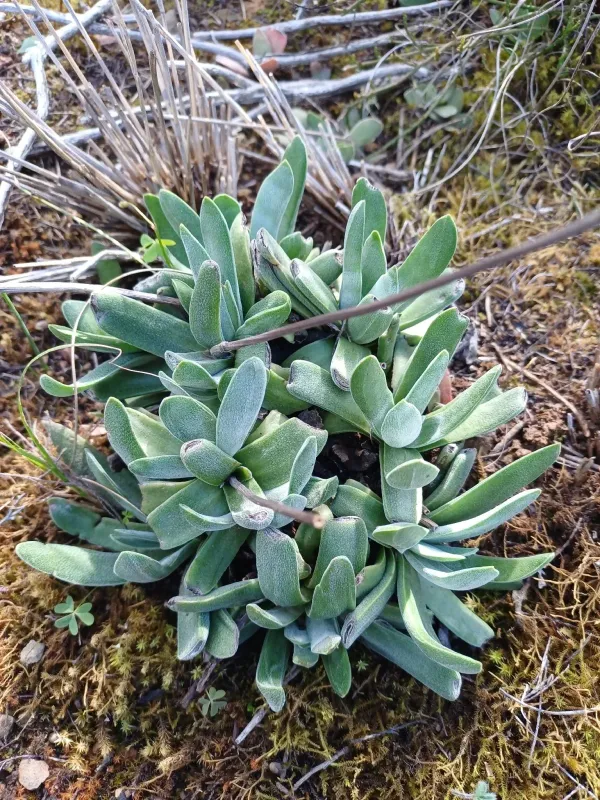
Description
Growing requirements
The Crassula nudicaulis cross (Crassula nudicaulis L. x Crassula perfoliata L.) is a hybrid succulent belonging to the Crassulaceae family. This cultivar is highly valued for its robust morphology and distinct leaf structure, adapted to arid ecosystems.
Native to Southern Africa, this plant has evolved to store water within its thickened leaves. In agricultural or ornamental practice, it requires mimicking these arid conditions to ensure longevity and healthy growth of the specimen.
The plant thrives in bright, indirect light, though it can tolerate direct morning sunlight. It is essential to avoid intense afternoon heat to prevent leaf scorching, which can permanently damage the plant's aesthetic value and health.
The ideal growing medium is a fast-draining gritty mix, typically consisting of pumice, coarse sand, and a small portion of organic matter. Proper aeration of the root zone is the most critical factor in successful cultivation.
Temperature requirements include warm summer periods with good ventilation and cooler, dry winter conditions. This thermal cycle is necessary to induce dormancy and allow the plant to prepare for its next growth cycle effectively.
Main diseases and pests
Pests such as mealybugs and scale insects are the primary threats to this succulent. These pests thrive in hidden spots like leaf axils, where they feed on sap, weakening the plant and potentially transmitting viral pathogens.
Root rot, caused by overwatering or poor drainage, remains the most prevalent disease. When the soil remains saturated for too long, the root system begins to decay, often resulting in systemic collapse of the plant stem.
Bacterial soft rot can occur when the plant is kept in high-humidity environments with low airflow. This condition is characterized by rapid tissue necrosis and must be treated by removing infected areas and improving the climate.
Integrated pest management involves physical removal of insects using alcohol-soaked swabs and the application of systemic treatments when infestations exceed minor levels. Prevention through controlled irrigation is essential.
Maintenance should include routine cleaning of the leaf surfaces and regular inspection of the base of the stem to detect early signs of rot or pest activity before the damage becomes irreversible.