
Zabel's cotoneaster
Cotoneaster zabelii
Description
Growing requirements
Zabel's cotoneaster (Cotoneaster zabelii) is a deciduous shrub belonging to the Rosaceae family. Native to the mountain regions of China, this plant is valued for its graceful arching branches and robust nature, making it a staple in ornamental gardening.
This species thrives in well-drained soils and shows remarkable adaptability to various soil types, including limestone and sandy loams. While it prefers full sun for optimal bloom production, it is capable of growing in partial shade.
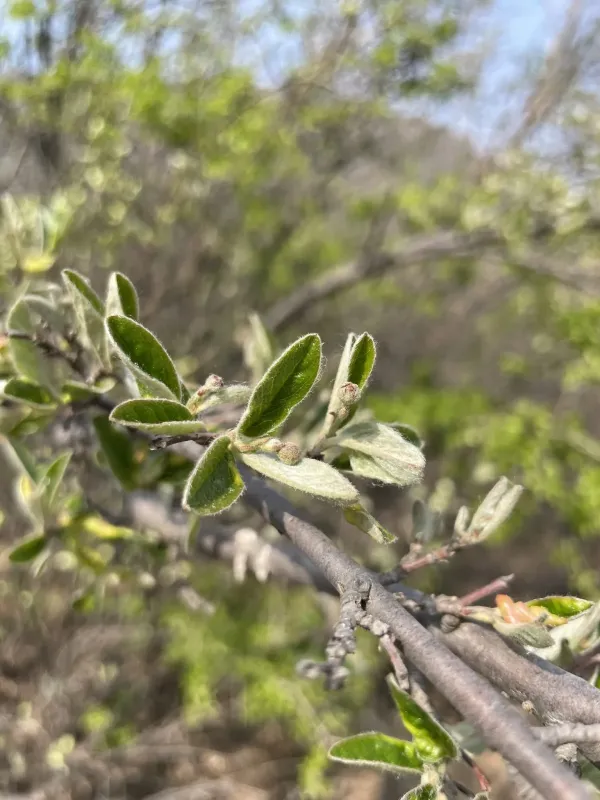
Botanically, the plant is characterized by its elliptic leaves that turn vibrant shades of red during the autumn season. In late spring or early summer, it produces clusters of small pink flowers that are highly attractive to pollinators.
The ornamental value is further enhanced by the production of deep red fruits which persist well into the winter months. Its cold hardiness makes it a reliable choice for cold climates, where it serves as a year-round structural element.
Agricultural practices for this shrub are straightforward, focusing on initial establishment and occasional pruning. It tolerates urban pollution well, which allows for its extensive use in roadside plantings and public parks.
Main diseases and pests
The most significant pathological threats include fungal infections such as powdery mildew and fire blight. Ensuring adequate air circulation within the shrub canopy is essential to mitigate these risks in humid environments.
Insect pests, specifically aphids and scale insects, may infest young growth during the spring. Early detection is key, and insecticidal soaps or systemic pesticides are typically effective in managing these outbreaks.
Sanitation is a critical component of pest control. Removing and destroying infected plant debris helps to break the life cycle of common garden pests and reduces the risk of recurrent infestations.
Proper pruning is not only an aesthetic choice but also a health measure. Removing dead, diseased, or crossing branches allows the plant to allocate energy to vigorous, healthy growth.
Overall, the plant is highly resistant if provided with a site that prevents root waterlogging. Most issues are minor and easily managed through standard horticultural maintenance.